Tag: Drivebook

  • Sunday Sign Day: Speed Limit Signs

    Sunday Sign Day: Speed Limit Signs

    Share this:

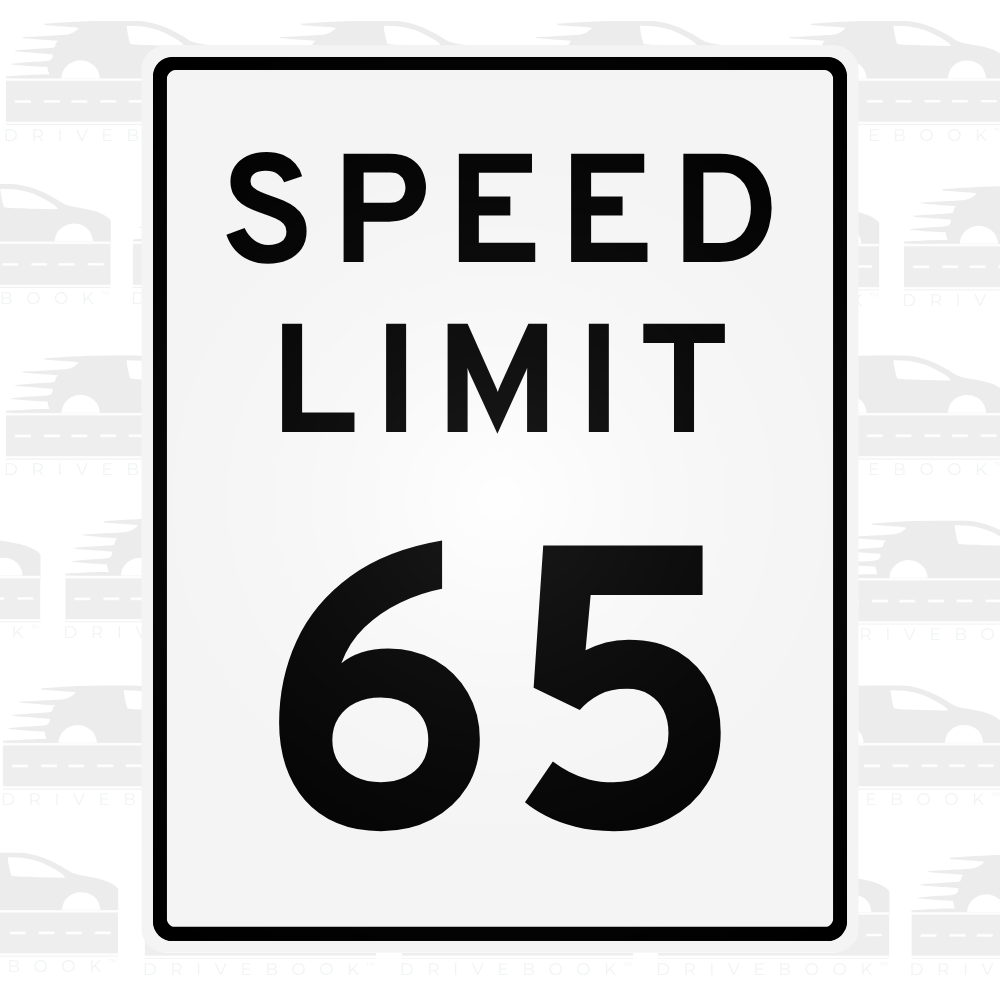
    A Speed Limit sign tells you the maximum legal speed for that stretch of road, under normal conditions. It’s one of the most common signs on the permit test — and one of the easiest to misunderstand in real life.

    The calm way to think about it is: the speed limit is a cap, not a goal. Your job is to choose a speed that stays legal and fits the situation (traffic, weather, visibility, road design).

    If you want to see how speed limit signs are defined and used nationally, the main reference is the MUTCD (the federal manual that sets sign standards):

    What a Speed Limit sign means (in plain language)

    A Speed Limit sign means:

    • Do not drive faster than the number shown (in miles per hour, in the U.S.).
    • The limit applies from the sign forward until it changes (with a new speed limit sign) or you enter a zone where a different limit is posted.
    • The limit assumes normal driving conditions.

    Some roads also use related signs like Minimum Speed, Night Speed, Truck Speed, or Reduced Speed Ahead. Those are all clues that the “right” speed may vary by vehicle type, time, or upcoming road design.

    When to slow down: before the sign or at the sign?

    This is a super common misunderstanding.

    If the speed limit is going DOWN

    In most cases, the expectation is that you’re at (or under) the new speed by the time you reach the sign, because the sign marks where the new limit begins.

    A calm habit:

    • See the sign early
    • Ease off the accelerator
    • Adjust smoothly so you’re at the new speed as you pass it

    If you see a Reduced Speed Ahead sign first, that’s your early warning to start slowing before the new speed limit sign.

    If the speed limit is going UP

    You can usually wait until you reach the sign, then gently accelerate after you pass it.

    (And if traffic or conditions don’t support the higher speed, it’s okay to stay a bit under.)

    Why speed limits exist

    Speed limits are set to balance a few things at once:

    • Road design (curves, hills, lane width, entrances/exits)
    • Traffic patterns (how many cars, how many turning points)
    • People walking or biking nearby
    • Stopping distance (how long it takes to slow down safely)

    A simple idea that helps: the faster you go, the more space you need to stop — and the less time you have to notice and respond.

    What to do when you see a Speed Limit sign

    1) Check your speed — gently, not suddenly

    If you’re above the limit, ease off the accelerator and adjust smoothly. Sudden braking can surprise the driver behind you.

    2) Match the limit and the conditions

    Even if the posted limit is 65, you may need to drive slower when:

    • The road is wet or icy
    • Visibility is limited (rain, fog, glare, darkness)
    • Traffic is heavy
    • The road is unfamiliar

    Most state driver handbooks include a “basic speed law” idea: you must drive at a speed that’s reasonable and prudent for conditions — even if that means below the posted limit.

    3) Look ahead for “speed change” clues

    Speed limits often change near:

    • Town lines or neighborhoods
    • School zones (with special rules and times)
    • Construction zones
    • Curves, hills, or ramps

    If you see Reduced Speed Ahead, that’s your early reminder to start easing down before the new limit begins.

    4) Keep a steady following distance

    Speed choice and following distance go together. A calm baseline is the 3-second rule in good conditions (more time in rain, snow, or darkness).

    NHTSA’s safe driving guidance is a helpful reference here:  NHTSA — Speeding .

    Quick note: consequences of breaking the speed limit (legal + natural)

    Consequences vary by state and situation, but speeding can lead to:

    Legal consequences

    • A traffic stop and ticket/fine
    • Points on your license (which can affect new drivers quickly)
    • Higher insurance costs
    • In some cases, license restrictions or suspension (especially for teens or repeat offenses)

    Natural consequences (what tends to happen in real driving)

    Even when the legal consequences are minor, speeding can create real-world consequences like:

    • Less time to react to a car braking, a light changing, or a pedestrian stepping toward a crosswalk
    • Longer stopping distance, especially on wet roads
    • Harder steering control on curves, ramps, or rough pavement
    • A higher chance that a small mistake becomes a crash
    • More severe outcomes if a crash happens (because impact forces increase as speed increases)

    This isn’t about being perfect — it’s about giving yourself enough time and space to make calm decisions.

    Common misconceptions teens have

    Misconception 1: “The speed limit is the speed you’re supposed to drive.”

    Not always. It’s the maximum under normal conditions. If conditions are worse, the safe choice is often slower.

    Misconception 2: “If everyone else is speeding, it’s okay.”

    It can feel awkward to be the one going the limit, but you’re still responsible for your own speed. If traffic is moving faster than you’re comfortable with, a calm option is to stay in the right lane (when appropriate) and keep your space.

    Misconception 3: “I can speed a little and it doesn’t matter.”

    Even small increases in speed can reduce your reaction time and increase stopping distance. On the permit test, the safest answer is simple: follow the posted limit and adjust down for conditions.

    A quick coaching tip for parents

    Try pairing speed with one repeatable question:

    • “What’s the limit here — and do conditions suggest we should be a little under it?”

    It keeps the focus on judgment, not pressure.

    Closing (gentle CTA)

    Speed Limit signs are about more than a number — they’re a reminder to drive at a pace that fits the road and keeps your decisions calm and predictable.

    If you’d like a clear, visual way to learn signs and rules (with explanations that make the “why” easier to remember), visit mydrivebook.com.


    Share this:
  • Your Family Game Plan: Top Strategies to Support Teens for the Permit Test

    Your Family Game Plan: Top Strategies to Support Teens for the Permit Test

    Share this:

    Your Family Game Plan: Top Strategies to Support Teens for the Permit Test

    Most families know permit test preparation can feel overwhelming. Your teen faces dozens of new rules and tricky questions, while you want a clear, calm way to help. This guide shares simple strategies using the Drivebook™ system—a two-part plan that builds real understanding first, then adds state-specific practice—to turn stress into confidence for your whole family. For more tips on teen driver safety, check out this guide.

    Building a Solid Foundation

    Starting with a firm base is essential to driving success. Let’s explore how to make this foundation solid for your teen.

    Introducing the PermitPro Workbook

    Imagine a tool that doesn’t just tell your teen what they need to know but shows them. The PermitPro Workbook is that tool. It breaks down driving rules into clear, easy-to-understand sections. With visual scenarios and real-world examples, your teen will grasp the concepts better than with rote memorization. This workbook guides them through each topic with clarity and builds their confidence with each page they turn.

    Not only does it teach the basics, but it also provides structured progression. This means your teen won’t just learn what to do; they’ll understand why it matters. That understanding is key to gaining confidence behind the wheel. And as a parent, you’ll appreciate how easy it is to follow along and support their learning. This workbook is more than just a study guide; it’s a partner in helping your teen succeed.

    Engaging with Visual Learning for Drivers

    Did you know that visuals can improve learning by up to 400%? The Drivebook™ system takes full advantage of this by incorporating images and diagrams into the learning process. Pictures and graphics aren’t just decorations; they are core elements of how teens learn in this system. Each diagram helps your teen visualize complex concepts, making them easier to remember and apply.

    For example, understanding right-of-way rules becomes much simpler with visual aids that depict real-life scenarios. This method ensures that your teen isn’t just memorizing rules; they’re seeing how those rules apply in the real world. This approach transforms tricky topics into manageable lessons. It’s all about seeing to believe and learn effectively.

    Strategies for Family Study Plans

    Creating a study plan that involves the whole family can make learning more effective. Here’s how to do it:

    1. Set Regular Study Times: Consistency helps retention. Pick times that fit everyone’s schedule.

    2. Use Multimedia Resources: Mix in videos or apps to keep learning fun and diverse.

    3. Discuss and Review Together: Talk about what your teen learned and quiz each other casually.

    These strategies encourage active participation from everyone involved. They also make studying less of a chore and more of a collaborative effort. By engaging as a family, you reinforce the material and show your teen that they have your full support. You’ll find that these sessions become something everyone looks forward to.

    Reinforcing with State-Specific Practice

    Once the foundation is set, it’s time to add layers of state-specific knowledge. Let’s dive into the tools that make this process engaging and effective.

    Exploring the DrivebookGo App

    The transition from workbook learning to app-based practice is seamless with the DrivebookGo App. This app is designed to reinforce what your teen learned with tailored practice sessions. It includes state-specific driving rules, ensuring that your teen is prepared for the exact test they’ll face. This customization is crucial because driving laws can vary significantly from state to state.

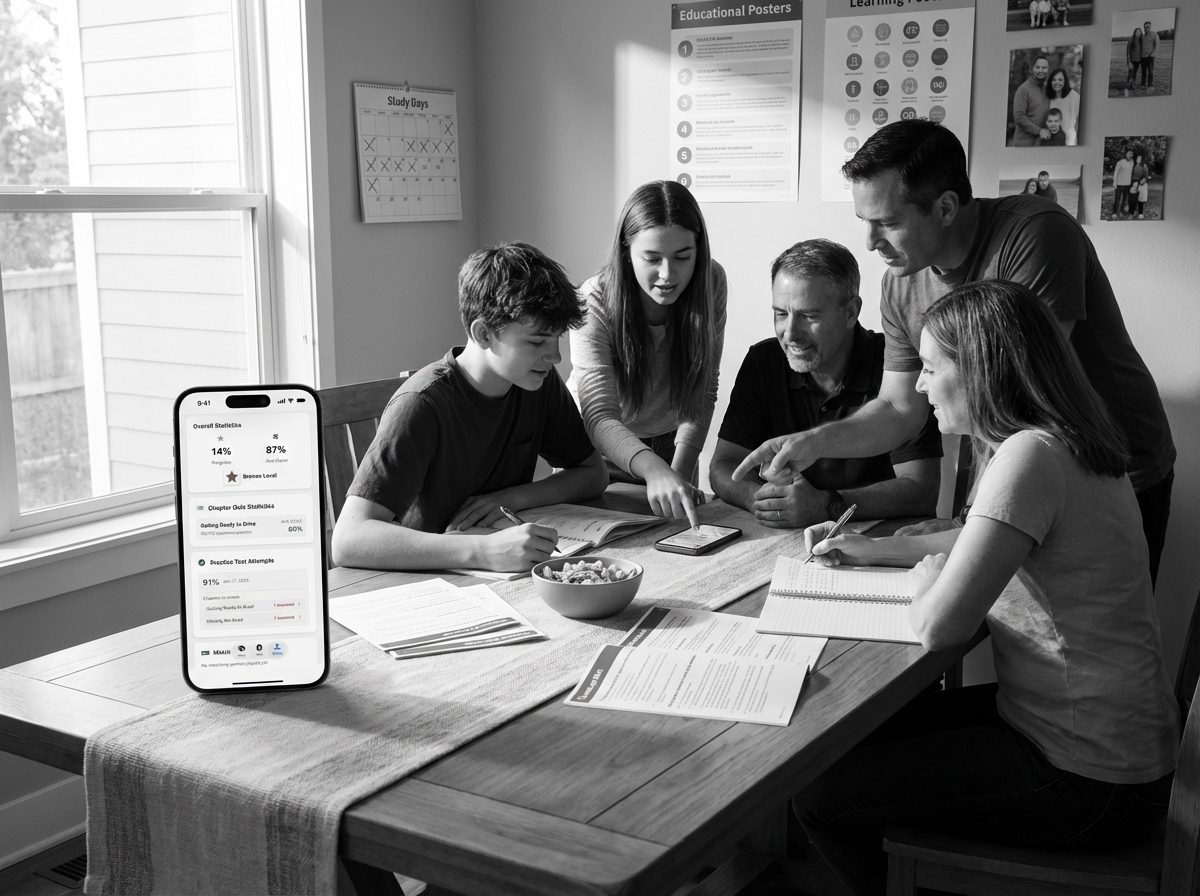
    The app also offers interactive quizzes and scenarios that make studying feel less like cramming and more like a game. With the ability to track progress, your teen can see how they’re improving over time. This feature not only boosts their confidence but also keeps them motivated to continue their studies. It’s a modern tool for modern learners, designed to fit into their tech-savvy lifestyles.

    Teen Drivers Study Guide Tips

    Here’s where we break down the best tips from seasoned teen drivers who have been there:

    • Focus on One Topic at a Time: Avoid overwhelm by mastering one concept before moving to the next.

    • Practice with Real Test Questions: Use questions from the app that mimic those on the actual test.

    • Review Mistakes: Spend extra time on questions that were answered incorrectly to understand why.

    These tips have helped many teens turn anxiety into assurance when facing their permit tests. The key is to study smart, not hard. By focusing on these strategies, your teen will feel more prepared and less stressed as their test date approaches.

    Parent Teen Driving Success Stories

    Most people think that teens need to figure it all out on their own, but that’s not true! Many families have found success by working together. Let’s hear from a few of them:

    • Jessica M., Parent: “Drivebook™ made preparing for the permit test feel less overwhelming for both me and my son. The workbook kept us on track, and it gave him so much confidence!”

    • Ava T., Teen: “I actually looked forward to studying. The flashcards and guides broke things down, and I finally understood the rules. I passed my DMV test on the first try!”

    These stories show that with the right tools and support, your family can transform studying into a positive experience. It’s a team effort, and with everyone on board, success is just around the corner.

    Creating a Supportive Learning Environment

    A supportive environment is key to successful learning. Here’s how to create one that fosters growth and understanding.

    Parent and Guardian Driving Tips

    Parents often wonder how best to support their teen drivers. Here are some practical tips:

    • Stay Positive: Encouragement goes a long way. Celebrate small wins to keep morale high.

    • Lead by Example: Demonstrate good driving habits during your own drives.

    • Communicate Openly: Make sure your teen feels comfortable asking questions without fear of judgment.

    These tips create a nurturing atmosphere that encourages learning. When teens see their parents as partners rather than critics, they feel more supported and confident in their journey. Remember, patience and open communication are your best tools.

    How to Study for the Permit Test

    Studying for the permit test doesn’t have to be daunting. Here’s how to make it manageable:

    • Set a Realistic Schedule: Break study time into short, regular sessions.

    • Use Multiple Resources: Combine the PermitPro Workbook with online resources like the DrivebookGo App.

    • Practice, Practice, Practice: Regular practice with real questions builds familiarity and confidence.

    By following these steps, the permit test will feel like just another step in the learning process, not an insurmountable obstacle. Consistency is key, and with a strategy in place, your teen will be ready to ace the test.

    Setting Up Your At-Home Driver Education 🏠

    Creating a comfortable study space at home can enhance learning. Here’s how to set it up:

    • Choose a Quiet Space: Minimize distractions by picking a quiet area for study sessions.

    • Organize Materials: Keep all study guides, flashcards, and the PermitPro Workbook in one place.

    • Create a Learning Routine: Set regular study times to build a habit.

    It might seem small, but having a dedicated study area can make a big difference. It signals to your teen that it’s time to focus and makes it easier to dive right into learning. This simple setup can transform how your family approaches permit test preparation.

    By embracing these strategies and tools, your family can create a positive and effective learning experience. Together, you’ll turn the challenge of permit test preparation into a journey of growth and confidence.

    Share this:
  • Creating a Supportive Learning Environment for Your Teen Driver

    Creating a Supportive Learning Environment for Your Teen Driver

    Share this:

    Creating a Supportive Learning Environment for Your Teen Driver

    Most parents want their teen’s driving permit prep to go smoothly—but stress and confusion often get in the way. Creating a supportive learning environment can turn that tension into confidence for both of you. In this guide, you’ll find easy ways to keep learning positive and stress-free, plus how Drivebook™ makes driver’s ed prep at home simple and effective. For more tips, check out this resource.

    Building a Supportive Learning Space

    A welcoming environment can make all the difference in your teen’s learning journey. It’s not just about the physical space but also the emotional atmosphere you create. Here’s how to set a positive tone for driver’s ed prep.

    Creating a Stress-Free Environment

    A calm environment begins with understanding. When your teen sees the living room as a relaxed study zone, they’ll be more comfortable. Keep distractions low and spirits high. Use small breaks to share snacks or stories—it lightens the mood and keeps stress at bay.

    Let’s talk about routine. Consistency helps. Set a regular time each day for permit prep. This rhythm soothes nerves and makes learning a natural part of your day. It’s like having a favorite TV show; you just know when to tune in.

    Creating positive vibes doesn’t stop there. Many parents find that staying patient and positive changes the game. Remember, learning is a journey. Celebrate even the little steps your teen takes toward understanding road signs or rules. Patience and encouragement go a long way in keeping the learning space supportive and productive.

    Encouraging Open Communication

    Communication is key in any learning environment. Start with open-ended questions. Ask how your teen feels about their progress or what they find challenging. This invites them to share openly, without fear of judgment.

    Listening is your next superpower. When your teen talks, give them your full attention. This shows you value their thoughts and feelings. It builds trust, making them more likely to reach out when they need help or reassurance.

    Discuss road safety and driving scenarios together. Share insights from this guide on teen driving safety. This can spark interesting conversations while keeping the focus on learning. It’s a chance to bond over new topics and learn together.

    Tools for Successful Driver’s Ed Prep

    Once you’ve set up a supportive space, the right tools can enhance the learning experience. Enter Drivebook™, your partner in making this journey smoother and more engaging.

    Benefits of Using Drivebook™

    Drivebook™ is like a personal tutor in a box. Its dynamic workbooks and flashcards are designed to help teens grasp concepts, not just memorize them. Imagine your teen confidently answering practice questions, knowing they understand the “why” behind each rule.

    Parents love the simplicity it brings. Even if you’re not a driving expert, the step-by-step guides make it easy to help your teen. You don’t have to worry about where to start or how to explain complex rules. It’s all laid out clearly, ready for you to use.

    Flexibility is another perk. Your family can learn at your pace, fitting study sessions into your schedule. Whether it’s a quick study break during dinner or a full session on weekends, Drivebook™ adapts to your life. This freedom reduces pressure and makes learning enjoyable.

    Parent Guide to Supporting Teens

    Supporting your teen doesn’t require a degree in road rules. Drivebook™ provides parent-friendly guides that simplify your role. You’ll find clear instructions and tips tailored for every lesson. This way, you can coach your teen effectively, boosting their confidence.

    Use checklists to track progress. They’re handy for seeing what’s done and what needs more focus. It’s like having a roadmap for your teen’s learning journey. And when things get tricky, conversation starters in the guide help you and your teen navigate difficult topics together.

    For more tips on supporting your teen, check out this resource. It offers insights into being a supportive parent during this critical learning phase.

    Empowering Your Teen’s Confidence

    With the right space and tools in place, it’s time to focus on boosting your teen’s confidence. Confidence is key to transforming anxiety into preparedness.

    Tips for Positive Learning Experiences

    Confidence grows from success. Start by setting small, achievable goals with your teen. Celebrate when they master parallel parking or nail a tricky road rule. Each success is a boost to their self-esteem.

    Encourage practice. The more your teen practices, the more familiar driving becomes. Consider short trips to local spots. They offer real-world experience without overwhelming your teen. Plus, these drives can be fun bonding moments.

    Don’t shy away from sharing your own driving stories. Whether it’s a funny mishap or a proud moment, these stories show your teen that driving is a skill learned over time. It’s also a chance for them to learn from your experiences and mistakes.

    Celebrating Small Wins Together 🚗

    Every milestone deserves recognition. Did your teen pass a practice test? Nail their first parallel park? Celebrate these wins. It’s about building momentum and motivation for the next challenge.

    Consider creating a fun reward system. It could be a favorite treat or a mini road trip to a nearby attraction. These rewards make achievements feel special and motivate your teen to keep pushing forward.

    In the end, the journey to earning a driving permit is as much about growth as it is about learning. By creating a supportive environment, using effective tools like Drivebook™, and focusing on confidence, you’re setting your teen up for success. Remember, the road to driving isn’t just about reaching a destination; it’s about enjoying each step along the way.

    Share this: