In many areas, spring is an especially important time to take Deer Crossing signs seriously. As temperatures warm up, deer movement increases — they’re more active at dawn and dusk, may travel more after winter, and roadside greenery can make them harder to spot until they’re close.
You don’t need to drive in a tense way. The goal is simply to give yourself a little more time and space so you can respond smoothly.
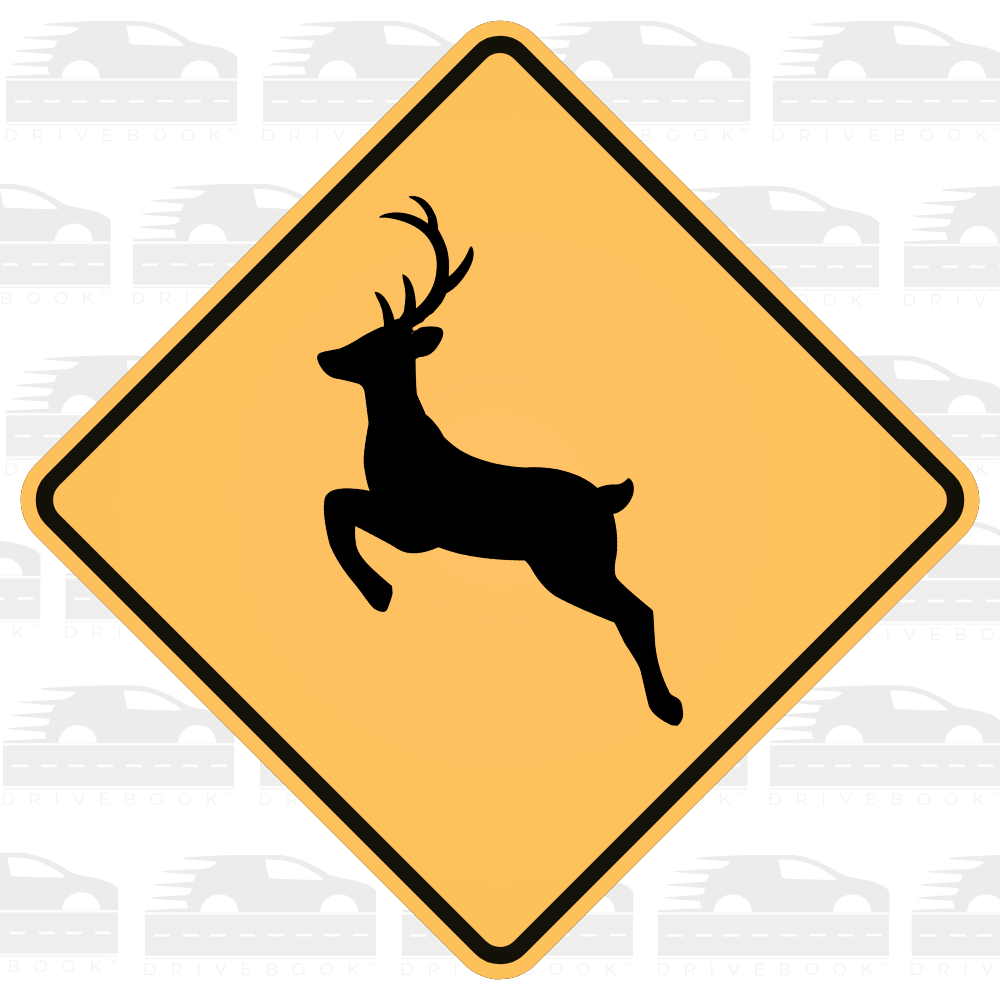
The Deer Crossing sign is a warning sign. In plain language, it means: wildlife may enter the roadway here, so it’s smart to slow down a bit and stay alert.
This sign isn’t a guarantee you’ll see deer — it’s just a heads-up that this stretch of road has a higher chance of wildlife crossings.
For sign standards and examples, the national reference is the MUTCD (FHWA). Many state driver manuals also explain what to do in wildlife areas (for example, the California DMV Handbook — Special Situations: Animals).
What the Deer Crossing sign means (and what it doesn’t)
It means:
- Deer (and sometimes other animals) may cross unexpectedly
- The area may be near woods, fields, water, or known wildlife paths
- You should give yourself more time to react
It doesn’t mean:
- Deer will only cross at the sign
- It’s safe to swerve if you see an animal
- You should stop in the roadway to look for wildlife
A calm goal is to keep your options open: more space, a little less speed, and steady attention.
Why this sign exists
Wildlife collisions are common enough that higher-risk areas are marked. Deer are most active around dawn and dusk, and they often travel in groups — if you see one, there may be another close behind.
This sign helps reduce surprise. It reminds drivers to scan the road edges and avoid sudden moves if an animal appears.
(For broader safety context, the Insurance Institute for Highway Safety has helpful information on animal-related crashes.)
What to do when you see it
Here’s a simple, teen-friendly plan:
1) Ease your speed and increase following distance
No need to brake hard — just ease off the gas and give yourself more space to respond smoothly.
2) Scan the edges of the road
Deer often appear from tree lines or tall grass. Try a steady scan:
- Far ahead (especially where headlights reach at night)
- Road edges and shoulders
- Just beyond the shoulder
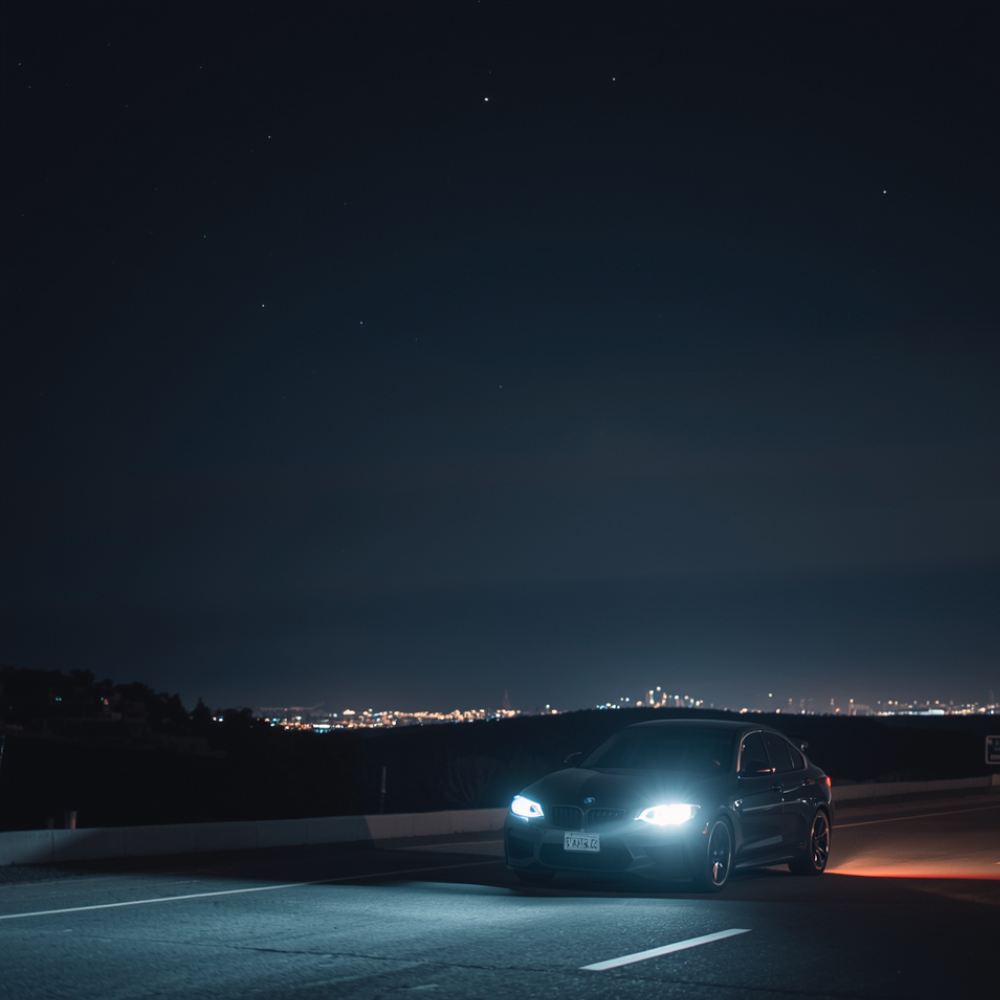
3) Use high beams when appropriate (at night)
On dark roads without oncoming traffic, high beams help you see farther. Dim them when needed.
4) If you see a deer, brake firmly and stay in your lane
This is the most important part:
- Brake in a straight line
- Stay in your lane
- Avoid swerving — it often creates a bigger risk
If there’s time, a quick horn tap can encourage the animal to move away.
Common misconceptions teens have
“The sign shows where deer cross.”
Think of it as a zone — deer can cross anywhere nearby.
“Once one deer passes, I’m in the clear.”
Deer often travel in groups. Keep scanning.
“Swerving is safer than braking.”
It can feel faster, but it’s riskier. Straight-line braking keeps you in control and predictable.
A quick coaching tip (for parents and teen drivers)
Try a calm callout routine:
Parent/coach: “Deer Crossing sign — let’s add space and scan the shoulders.”
Teen: “Easing off the gas and checking left/right edges.”
It’s simple, but it builds a repeatable habit.
Closing
The Deer Crossing sign is a reminder to drive with a little extra margin — more space, steady scanning, and smooth braking if something appears.
If you’d like a calm, visual way to learn road signs and rules (with explanations you can talk through as a family), visit mydrivebook.com.