Category: Permit Basics

  • What a learner’s permit is

  • How permit preparation works

  • Why learning feels confusing

  • What families should expect

  • Sunday Sign Day: The Yield Sign

    Sunday Sign Day: The Yield Sign

    Share this:

    Published on mydrivebook.com | Sunday Sign Day Series

    Yield_Sign

    Yield Sign

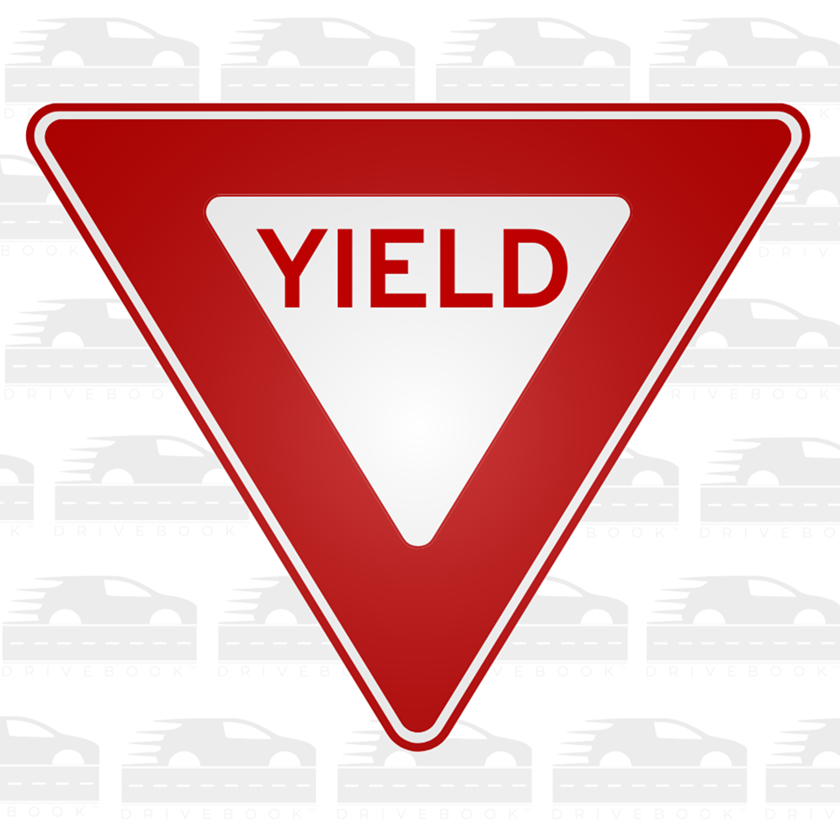
    The yield sign is a red downward-pointing triangle with a white center — one of the most recognizable regulatory signs on U.S. roads.


    You’ve seen the yield sign hundreds of times. It’s the red triangle pointing downward, usually posted where a smaller road meets a busier one, or at the entrance to a roundabout. But for many new drivers, the yield sign creates a moment of uncertainty: Do I stop? Do I slow down? Do I just go?

    This week’s Sunday Sign Day breaks it all down — what the yield sign means, why it exists, what to do when you see one, and the most common misconceptions teens have about it.


    What the Yield Sign Means

    The yield sign means: slow down, look, and give the right of way to traffic already in the roadway you’re entering. You do not have to come to a complete stop — but you must be prepared to stop if traffic requires it.

    According to the Federal Highway Administration’s Manual on Uniform Traffic Control Devices (MUTCD), the yield sign “assigns right-of-way to traffic on certain approaches to an intersection. Vehicles controlled by a YIELD sign need to slow down or stop when necessary to avoid interfering with conflicting traffic.”

    In plain terms: the other road has priority. You wait until it’s safe to merge or enter.


    Why the Yield Sign Exists

    The yield sign is used in situations where a full stop isn’t always necessary — but where one road clearly has priority over another. Common locations include:

    • Roundabout entrances — vehicles inside the roundabout have the right of way
    • Merge lanes — where a secondary road joins a main road
    • T-intersections — where the cross street has priority
    • Pedestrian crossings — some crosswalks use yield signs to remind drivers to give way

    The logic behind the yield sign is efficiency with safety. A stop sign requires every vehicle to stop, even when there’s no traffic. A yield sign allows drivers to keep moving when conditions are clear — while still requiring them to give way when they’re not.


    What to Do When You See a Yield Sign

    1. Slow down as you approach — don’t maintain your current speed.
    2. Look left, then right, then left again — check for oncoming traffic, cyclists, and pedestrians.
    3. If the way is clear, you may proceed without stopping.
    4. If traffic is present, stop and wait until there is a safe gap to enter.
    5. Never assume the other driver will slow down for you — you are the one yielding.

    Common Misconceptions Teen Drivers Have

    “Yield means slow down a little and keep going.” Not quite. Yield means slow down enough to stop if needed. If traffic is present, you must wait — not just slow down.

    “It’s basically the same as a stop sign.” They’re related but different. A stop sign requires a complete stop every time. A yield sign only requires a stop if conditions call for it. The key difference is that with a yield sign, you’re responsible for judging whether it’s safe to proceed.

    “If I have a yield sign, I have no right of way at all.” Not entirely true. If the road is clear, you can proceed — you just can’t claim priority over traffic that’s already there.


    The Takeaway

    The yield sign is about cooperation and awareness. It asks you to slow down, assess the situation, and make a judgment call — which is actually great practice for the kind of thinking all driving requires.

    For more clear explanations of road signs and driving rules, visit mydrivebook.com. The Drivebook™ learning system is designed to help new drivers understand the why behind the rules — not just memorize them.


    Sources: FHWA MUTCD — Regulatory Signs, Chapter 2B | NY DMV — Traffic Control

    Share this:
  • What New Drivers Should Know About Roundabouts

    What New Drivers Should Know About Roundabouts

    Share this:
    Aerial view of a U.S. roundabout showing cars entering and yielding

    Roundabouts are showing up on more roads across the US, and they tend to catch drivers off guard — new and experienced alike. Even some seasoned drivers who never had a clear explanation of how roundabouts work can find themselves hesitating at the entry point. Once you understand how they work and why, they are actually one of the more straightforward intersections you will encounter.


    What a Roundabout Actually Is

    A roundabout is a circular intersection where traffic flows in one direction — counterclockwise — around a central island. Instead of stopping at a red light, drivers slow down, yield to traffic already in the circle, and then merge in when there is a safe gap.

    That is the core idea: yield before entering, then keep moving once you are inside.


    Why Roundabouts Exist

    Roundabouts are not just a design trend. According to the Federal Highway Administration (FHWA), roundabouts are a proven safety countermeasure that can substantially reduce crashes resulting in serious injury or death. The reason is simple: there are no high-speed, head-on or right-angle collisions. Traffic moves slowly and in the same direction.

    Understanding why a rule or road feature exists helps you use it correctly. Roundabouts are built for safety and flow — not to confuse you.


    The One Rule That Matters Most: Yield Before You Enter

    When you approach a roundabout, you will see a yield sign. That sign means: traffic already inside the roundabout has the right of way. You wait for a safe gap, then you enter.

    You do not stop inside the roundabout. You do not stop once you have entered and traffic is moving. You only pause at the entry point, and only if needed.

    This is the most common source of confusion — new drivers sometimes stop inside the circle or try to force their way in. Neither is correct.


    How to Choose Your Lane (Multi-Lane Roundabouts)

    Single-lane roundabouts are straightforward. Multi-lane roundabouts require a bit more planning.

    A general guide:

    • Taking the first exit (turning right): Use the right lane.
    • Going straight through: Either lane is typically acceptable, but check posted lane signs.
    • Taking a later exit (turning left or going around): Use the left lane.

    The key is to decide your lane before you enter. Changing lanes inside a roundabout is not safe and is not permitted. Look for lane-use signs as you approach — they will show you which lane leads to which exit.


    Signaling in a Roundabout

    Signaling is simple once you know the pattern:

    • Entering: You generally do not need to signal when entering.
    • Exiting: Signal right as you approach your exit. This lets other drivers and pedestrians know you are about to leave the roundabout.

    Some drivers skip this step, but using your signal when exiting is a good habit and is expected on a permit test.


    Pedestrians and Cyclists at Roundabouts

    Roundabouts have crosswalks, and pedestrians have the right of way at those crosswalks — just as they do at any intersection. Before you enter the roundabout and again as you exit, check for people crossing.

    Cyclists may ride through the roundabout in the travel lane, or they may use a separate path alongside the road. Either way, give them space and do not rush around them.


    Common Mistakes to Watch Out For

    Knowing what tends to go wrong is just as useful as knowing what to do right. These are the errors that come up most often at roundabouts — and being aware of them puts you a step ahead.

    • Stopping inside the roundabout. Once you have entered and traffic is flowing, keep moving. Stopping unexpectedly inside the circle confuses other drivers and disrupts the flow the roundabout is designed to maintain.
    • Entering without yielding. Some drivers pull in without checking for traffic already circling. The yield sign at the entry is not optional — vehicles inside always have the right of way.
    • Forgetting to signal when exiting. It is easy to focus on navigating the circle and skip the exit signal entirely. That signal matters — it tells the driver behind you and any pedestrians at the crosswalk what you are about to do.
    • Choosing the wrong lane too late. In a multi-lane roundabout, trying to sort out your lane after you have already entered creates a real problem. Lane changes inside the roundabout are not permitted. Make the decision before you arrive.
    • Going too fast on approach. Roundabouts require you to slow down and read the situation — traffic inside, pedestrians at crosswalks, lane signs. Entering at speed leaves you no time to do any of that well.
    • Overlooking pedestrians at the exit. Drivers often check for pedestrians when entering but forget to check again when exiting. Crosswalks exist at both points, and pedestrians have the right of way at both.

    Most of these mistakes come down to the same thing: moving faster than your awareness can keep up with. Slowing down on approach gives you the time to get everything right.


    A Quick Summary Before You Encounter One

    Here is what to keep in mind the next time you see a roundabout ahead:

    1. Slow down as you approach.
    1. Yield to traffic already inside the circle.
    1. Choose your lane before entering.
    1. Keep moving once you are in — do not stop.
    1. Signal right when you are ready to exit.
    1. Watch for pedestrians at crosswalks — entering and exiting.

    Roundabouts feel unfamiliar at first, but they follow a clear and consistent logic. Once you have driven through a few, the pattern becomes second nature.


    Roundabouts are a good example of a road feature that seems tricky until you understand the reasoning behind it. The rules are not arbitrary — they are designed to keep everyone moving safely. That same principle applies to most of the rules you will study for your permit test: when you understand the why, the what becomes much easier to remember.


    New to roundabouts? This guide explains how they work, who has the right of way, common mistakes to avoid, and what to expect — in plain, clear language for new drivers.


    Sources


    Share this:
  • See It, Learn It: How Visual Learning Builds Teen Driver Confidence Before the Permit Test

    See It, Learn It: How Visual Learning Builds Teen Driver Confidence Before the Permit Test

    Share this:

    See It, Learn It: How Visual Learning Builds Teen Driver Confidence Before the Permit Test

    Most teens face a flood of confusing rules before their permit test. That’s where visual learning for driving changes everything—it turns overwhelm into clear steps you can follow. With Drivebook’s two-part system, you build understanding first with PermitPro (Workbook), then lock it in with DrivebookGo (App), making teen driver permit test prep a calm, confident process for your family. For more guidance, check out this helpful resource.

    Visual Learning for Driving

    Visual learning turns complex driving rules into simple, manageable concepts. By seeing scenarios, teens can connect rules to real-life situations. This approach provides clarity, making the driving test feel less daunting.

    Building Confidence with Visual Scenarios

    Imagine learning to drive without the stress of memorizing endless rules. Visual scenarios make this possible. Seeing how rules apply in actual situations helps build confidence. Over 70% of teens find visual aids more helpful than text alone. They can picture themselves in the driver’s seat, navigating with ease. This method not only makes learning engaging but also boosts retention. By visualizing scenarios, teens develop a deeper understanding, paving the way for confident driving.

    PermitPro Workbook: Core Understanding

    The PermitPro Workbook is your teen’s roadmap to understanding driving basics. It breaks down rules into easy-to-follow sections. With visual aids, students grasp concepts quickly. Each chapter includes practice questions, allowing teens to test their knowledge. The workbook’s step-by-step approach ensures that learners build a strong foundation before hitting the road. It’s more than just studying; it’s about truly comprehending the why behind each rule. This strategy leads to safer, more informed driving habits.

    DrivebookGo App: State-Specific Practice

    DrivebookGo takes learning to the next level. This app offers practice tailored to your state’s specific rules. With interactive quizzes, teens can track their progress and focus on areas needing improvement. The app’s convenience means practice can happen anywhere, anytime. It’s the perfect companion to the workbook, reinforcing what teens learn with situational examples unique to their state. This comprehensive approach ensures that learners are ready for their permit test with confidence.

    Teen Driver Permit Test Prep

    Preparing for the permit test shouldn’t be overwhelming. By understanding before practicing, teens can approach the test with confidence. This section dives into methods that transform preparation into a stress-free experience.

    Understanding Before Practice

    Before getting behind the wheel, it’s crucial to understand driving concepts. Many teens find that grasping the why behind rules makes driving lessons more effective. By focusing on understanding, rather than rote memorization, learners are better prepared for real-world situations. This approach means that when practice begins, teens feel ready and capable. It’s not just about passing a test; it’s about becoming a safe, knowledgeable driver.

    Calm Permit Preparation at Home

    Imagine preparing for your permit test in a calm, familiar environment. Home preparation allows for this comfort. With structured resources like the PermitPro Workbook, families can create a supportive, stress-free study plan. This flexibility lets teens learn at their own pace. Parents can guide their learning journey, making it a collaborative experience. By reducing stress, the focus shifts to learning, leading to better retention and understanding.

    Road Signs Study Guide: Key to Success

    Understanding road signs is crucial for any new driver. A dedicated study guide helps teens recognize and remember these signs effectively. With visual aids, learners can quickly identify signs and understand their meanings. This knowledge is essential not only for the test but also for safe driving. By mastering road signs, teens gain the confidence to navigate roads with ease. This study guide is a key component in building a strong driving foundation.

    Family-Friendly Driver Education

    Drivebook offers a family-friendly approach to driver education. This system supports both teens and their families, creating a shared learning experience that’s enjoyable and effective.

    New Driver Study Plan

    A well-structured study plan is essential for new drivers. The PermitPro Workbook and DrivebookGo App create a tailored plan that fits your family’s schedule. With clear goals and milestones, progress is easy to track. This plan encourages consistent learning, making the process enjoyable for both teens and parents. Families can work together, turning preparation into a bonding experience. A well-thought-out plan leads to confident, prepared new drivers.

    Confidence for New Drivers

    Building confidence is key for new drivers. With the right tools, teens can approach driving with assurance. Visual learning and practice tests are crucial tools in building this confidence. They provide a safe space to learn and make mistakes without fear. As teens progress, their self-assurance grows, translating into safer driving habits. Confident drivers are not only more prepared for their tests but also more equipped for real-world driving challenges.

    Free Resources: Sample Lesson & Checklist 🚗

    At Drivebook, we believe in accessible learning. That’s why we offer free resources like sample lessons and checklists. These tools provide a glimpse into our comprehensive system. They’re designed to help teens and families get started on the right path. By exploring these resources, you can see firsthand how our system supports new drivers. These materials are just a click away, ready to transform how your family approaches driver education.

    Learn more

    Share this:
  • How Visual Learning Improves Permit Test Success for Teens

    How Visual Learning Improves Permit Test Success for Teens

    Share this:

    How Visual Learning Improves Permit Test Success for Teens

    Most teens struggle to remember dry rules from bulky manuals, making the permit test feel overwhelming. Visual learning for permit test preparation changes that by turning complex ideas into clear, easy-to-grasp scenes. With Drivebook’s structured system, your teen builds solid understanding first, then gains steady confidence with state-specific practice tailored for your family’s pace. Learn more about effective learning strategies for teen drivers.

    Visual Learning for Permit Test Success

    Visual learning makes it easier for teens to remember rules and make smart choices on the road. This approach turns complicated ideas into clear pictures, helping young drivers see how each rule matters.

    Strengthens Memory and Decision-Making

    When teens connect rules with real-life situations, they remember better. For example, when learning about speed limits, seeing a visual scenario—like a car slowing down as it approaches a school zone—cements the concept. Pictures and diagrams create mental links that stick. A study revealed that 60% of students retain information longer with visuals. This means they think quickly and make safer choices when driving.

    Using visuals doesn’t just help teens memorize; it builds their understanding. They learn why rules exist, not just what they are. This understanding leads to smarter decisions. For instance, a diagram showing how to safely navigate a roundabout can prevent confusion at an actual intersection. If they see it first, they know how to act when driving. Discover how visuals aid memory in learning scenarios.

    Building Confidence for New Drivers

    Confidence grows when teens feel prepared. Visual learning supports this by showing how rules apply in everyday driving. Teens who understand concepts feel equipped to handle new situations. They don’t just know the rule—they understand why it exists. This empowers them to drive more confidently.

    Most people think learning to drive is about memorization, but real confidence comes from understanding. By using visual tools, teens are less anxious about tests and more sure of their skills. This leads to a smoother transition from practice to real driving. Knowing they can handle what comes their way makes new drivers more assured behind the wheel.

    Structured Driver Learning System

    Drivebook’s structured system combines clear visuals with practice, making learning logical and easy. It’s not just about rules; it’s about understanding how and why they matter.

    PermitPro: The Foundation

    PermitPro lays the groundwork for learning. It breaks down driving concepts into easy steps, using simple language and visuals. This book shows, rather than tells, helping teens grasp each idea fully. With over 100 illustrations, it turns rules into relatable scenes. For example, a section on stop signs might include a neighborhood scene, showing where and why you should stop.

    This foundation is crucial. By starting with PermitPro, learners build understanding and confidence. The workbook encourages thinking about what each rule looks like in real life. Teens work at their own pace, reducing stress and allowing time to absorb information. This method supports varied learning styles, making it ideal for all teens. Explore more about structured learning systems.

    DrivebookGo: Extending Practice

    Once the basics are covered, DrivebookGo takes learning further. This app offers additional practice tailored to each state’s unique rules. By using the app, teens can test their knowledge and fill any gaps in learning. The app expands on PermitPro’s foundation, adding layers of understanding through interactive practice.

    DrivebookGo adapts to the learner’s progress, providing targeted challenges. This means teens won’t face the same questions repeatedly. Instead, they’ll tackle new scenarios, keeping the learning fresh and engaging. With over 200 practice questions, the app prepares teens for real-world driving situations. Check out the benefits of digital learning extensions for driver education.

    Family-Friendly Driver Education

    Learning to drive is a family affair. Drivebook ensures that everyone can participate, making it a shared, supportive experience.

    Study Tips for Teen Drivers

    For teens, study tips can make all the difference. Here are some quick suggestions to get started:

    1. Set a regular study time: Consistency helps reinforce learning.

    2. Use visual aids: Flashcards or illustrated guides can enhance memory.

    3. Practice regularly: Short, frequent reviews are more effective than cramming.

    4. Discuss rules with family: Conversations help solidify understanding.

    By following these tips, teens can make their study time efficient and stress-free. This approach encourages steady progress without feeling overwhelmed.

    Preparing Together as a Family 🚗

    Families play a big role in supporting teen drivers. Preparing together fosters communication and shared learning. Parents can use Drivebook to guide discussions and reinforce safe habits. Here’s how families can make the most of this journey:

    • Schedule family study sessions: Review rules together and discuss real-life scenarios.

    • Share driving stories: Relating personal experiences makes learning relatable.

    • Encourage questions: No question is silly; curiosity leads to better understanding.

    • Celebrate progress: Acknowledge small wins to keep motivation high.

    The longer you wait, the more stress builds. Start today by setting a family plan for driving education. Learning together makes the process enjoyable and effective. With Drivebook, your family is on the path to confident driving. Read about the effectiveness of home study compared to traditional methods.

    By embracing visual learning and structured support, families can transform permit prep into a rewarding experience. Drivebook, with its unique approach, ensures every teen driver feels prepared, confident, and ready for the road.

    Share this:
  • Stronger Together: Why Workbook + App Learning Builds Confident Permit Prep

    Stronger Together: Why Workbook + App Learning Builds Confident Permit Prep

    Share this:

    Stronger Together: Why Workbook + App Learning Builds Confident Permit Prep

    Most teens feel overwhelmed by permit test prep, juggling confusing rules and endless practice questions. What if your learner’s permit study guide actually helped build true confidence without the stress? Combining the PermitPro workbook with the DrivebookGo app creates a calm, family-friendly permit preparation that fits your schedule and deepens understanding at every step. Read on to see why this workbook and app for drivers ed offers the most complete support for new drivers. Learn more about digital learning benefits here.

    Building Foundations with PermitPro

    Starting your driving journey can be stressful, but the right tools make all the difference. PermitPro is here to lay the groundwork, setting you up for success.

    Core Understanding for Teen Drivers

    PermitPro is crafted to give you a solid foundation. It’s like having a personal guide breaking down complex driving concepts into easy-to-understand chunks. With over 100 practice questions, you’ll see just how prepared you can be. Each section is carefully arranged to build knowledge step by step. This means you grow more confident as you go. Imagine finally getting those tricky road signs or traffic rules to click. Plus, the workbook’s layout makes it feel like a conversation, not a lecture. Statistics show that learners who use structured guides feel more prepared for their tests. So, PermitPro isn’t just about passing—it’s about understanding.

    Visual Learning for New Drivers

    Seeing is believing, and PermitPro brings driving rules to life with vivid visuals. Each page is filled with diagrams and scenarios that show you what different traffic situations look like. This visual style helps you remember better than just reading alone. For example, instead of just reading about a stop sign, you can see images of how they appear in various settings, making it easier to recall what you’ve learned. Many students find that this method of learning feels more like a real-world experience, which makes it easier to remember when you’re actually on the road. Remember, this is all about making learning feel less like a chore and more like an adventure.

    Structured Permit Study Routine

    A good study routine is key to success. PermitPro provides a simple plan that fits into your life. You can tackle a chapter a day or spread it out over a week—whatever works best for you. This flexibility means you’re never overwhelmed. The workbook has checklists and summaries to keep you on track. Here’s the kicker: each section ends with a mini-review, so you’re always reminded of what you’ve learned. This way, you can track your progress and feel proud of how far you’ve come. With a structured plan, you’ll approach your permit test with confidence, not anxiety.

    Extending Learning with DrivebookGo

    Now that you’ve got a solid foundation, it’s time to take it further. DrivebookGo is here to enhance what you’ve learned in PermitPro.

    State-Specific Driving Rules

    Every state has its own set of rules, and DrivebookGo makes sure you’re up to date. It offers easy access to the regulations you need to know, no matter where you live. Did you know that 30% of learners struggle with state-specific rules? With DrivebookGo, you won’t be one of them. The app’s state-specific quizzes help reinforce these differences, so you’re ready for anything on the test and on the road. You’ll feel in control, knowing that you’ve mastered not just the basics, but the specific details that make all the difference.

    Permit Practice Questions

    Practice makes perfect, and DrivebookGo has you covered with a range of practice questions tailored to your state’s needs. This means you’ll encounter all the types of questions that could come up on your actual test. The app tracks your progress, letting you focus on areas where you need more practice. Imagine the relief of walking into your test already familiar with the format and style of questions. This isn’t just about drilling; it’s about gaining confidence through familiarity. The more you practice, the more you know, and the calmer you’ll feel.

    Calm Study Routine at Home

    DrivebookGo is designed for stress-free learning. You can study anywhere, anytime, fitting seamlessly into your busy life. There’s no pressure or deadlines—just learning at your own pace. This calm approach means you’re less likely to feel overwhelmed. Instead, you’ll enjoy the process of learning something new every day. The app’s reminders and gentle nudges keep you on track without stress. Remember, the longer you wait, the more daunting it can feel. Start today, and watch your confidence grow with each session.

    Confidence and Support for Families

    Permit prep doesn’t have to be a solo journey. Drivebook’s system brings families together, making the process supportive for everyone involved.

    Family-Friendly Permit Preparation

    Permit prep can be a family affair with the PermitPro and DrivebookGo duo. Research shows that students who study with their families feel more supported and less stressed. This system is designed to get everyone involved. Parents can join in, guiding without taking over. The workbook’s clear instructions make it easy to follow, even if you’re not a driving expert. Plus, it’s a great chance to bond over shared learning experiences. Many families find that working through the materials together opens up conversations about safe driving habits.

    Empowering Teen Drivers’ Study Plan

    With the right tools, teens can take charge of their learning. PermitPro and DrivebookGo empower them to create a study plan that works. They gain confidence from day one, feeling equipped to manage their preparation. The system encourages independence while still offering the support needed. It’s about giving teens the tools to succeed while teaching them responsibility. An empowered learner is a confident driver, ready to tackle the road ahead.

    Supportive Tools for Educators and Coaches

    Educators and coaches can also benefit from Drivebook’s system. It provides a clear framework for teaching, making it easier to guide students through permit prep. With structured materials, you can focus on teaching rather than preparing lessons from scratch. The workbook’s design aligns with educational best practices, ensuring that students grasp the material thoroughly. Coaches find that students progress faster and with more confidence when they have the right resources at their fingertips.

    By combining the strengths of PermitPro and DrivebookGo, you’re setting yourself up for success. This isn’t just about passing a test—it’s about building lifelong skills. With Drivebook, you’re not only preparing for the road, but you’re doing it with confidence and support. Ready to start your journey? Let’s hit the road together!

    Share this:
  • Your Family Game Plan: Top Strategies to Support Teens for the Permit Test

    Your Family Game Plan: Top Strategies to Support Teens for the Permit Test

    Share this:

    Your Family Game Plan: Top Strategies to Support Teens for the Permit Test

    Most families know permit test preparation can feel overwhelming. Your teen faces dozens of new rules and tricky questions, while you want a clear, calm way to help. This guide shares simple strategies using the Drivebook™ system—a two-part plan that builds real understanding first, then adds state-specific practice—to turn stress into confidence for your whole family. For more tips on teen driver safety, check out this guide.

    Building a Solid Foundation

    Starting with a firm base is essential to driving success. Let’s explore how to make this foundation solid for your teen.

    Introducing the PermitPro Workbook

    Imagine a tool that doesn’t just tell your teen what they need to know but shows them. The PermitPro Workbook is that tool. It breaks down driving rules into clear, easy-to-understand sections. With visual scenarios and real-world examples, your teen will grasp the concepts better than with rote memorization. This workbook guides them through each topic with clarity and builds their confidence with each page they turn.

    Not only does it teach the basics, but it also provides structured progression. This means your teen won’t just learn what to do; they’ll understand why it matters. That understanding is key to gaining confidence behind the wheel. And as a parent, you’ll appreciate how easy it is to follow along and support their learning. This workbook is more than just a study guide; it’s a partner in helping your teen succeed.

    Engaging with Visual Learning for Drivers

    Did you know that visuals can improve learning by up to 400%? The Drivebook™ system takes full advantage of this by incorporating images and diagrams into the learning process. Pictures and graphics aren’t just decorations; they are core elements of how teens learn in this system. Each diagram helps your teen visualize complex concepts, making them easier to remember and apply.

    For example, understanding right-of-way rules becomes much simpler with visual aids that depict real-life scenarios. This method ensures that your teen isn’t just memorizing rules; they’re seeing how those rules apply in the real world. This approach transforms tricky topics into manageable lessons. It’s all about seeing to believe and learn effectively.

    Strategies for Family Study Plans

    Creating a study plan that involves the whole family can make learning more effective. Here’s how to do it:

    1. Set Regular Study Times: Consistency helps retention. Pick times that fit everyone’s schedule.

    2. Use Multimedia Resources: Mix in videos or apps to keep learning fun and diverse.

    3. Discuss and Review Together: Talk about what your teen learned and quiz each other casually.

    These strategies encourage active participation from everyone involved. They also make studying less of a chore and more of a collaborative effort. By engaging as a family, you reinforce the material and show your teen that they have your full support. You’ll find that these sessions become something everyone looks forward to.

    Reinforcing with State-Specific Practice

    Once the foundation is set, it’s time to add layers of state-specific knowledge. Let’s dive into the tools that make this process engaging and effective.

    Exploring the DrivebookGo App

    The transition from workbook learning to app-based practice is seamless with the DrivebookGo App. This app is designed to reinforce what your teen learned with tailored practice sessions. It includes state-specific driving rules, ensuring that your teen is prepared for the exact test they’ll face. This customization is crucial because driving laws can vary significantly from state to state.

    The app also offers interactive quizzes and scenarios that make studying feel less like cramming and more like a game. With the ability to track progress, your teen can see how they’re improving over time. This feature not only boosts their confidence but also keeps them motivated to continue their studies. It’s a modern tool for modern learners, designed to fit into their tech-savvy lifestyles.

    Teen Drivers Study Guide Tips

    Here’s where we break down the best tips from seasoned teen drivers who have been there:

    • Focus on One Topic at a Time: Avoid overwhelm by mastering one concept before moving to the next.

    • Practice with Real Test Questions: Use questions from the app that mimic those on the actual test.

    • Review Mistakes: Spend extra time on questions that were answered incorrectly to understand why.

    These tips have helped many teens turn anxiety into assurance when facing their permit tests. The key is to study smart, not hard. By focusing on these strategies, your teen will feel more prepared and less stressed as their test date approaches.

    Parent Teen Driving Success Stories

    Most people think that teens need to figure it all out on their own, but that’s not true! Many families have found success by working together. Let’s hear from a few of them:

    • Jessica M., Parent: “Drivebook™ made preparing for the permit test feel less overwhelming for both me and my son. The workbook kept us on track, and it gave him so much confidence!”

    • Ava T., Teen: “I actually looked forward to studying. The flashcards and guides broke things down, and I finally understood the rules. I passed my DMV test on the first try!”

    These stories show that with the right tools and support, your family can transform studying into a positive experience. It’s a team effort, and with everyone on board, success is just around the corner.

    Creating a Supportive Learning Environment

    A supportive environment is key to successful learning. Here’s how to create one that fosters growth and understanding.

    Parent and Guardian Driving Tips

    Parents often wonder how best to support their teen drivers. Here are some practical tips:

    • Stay Positive: Encouragement goes a long way. Celebrate small wins to keep morale high.

    • Lead by Example: Demonstrate good driving habits during your own drives.

    • Communicate Openly: Make sure your teen feels comfortable asking questions without fear of judgment.

    These tips create a nurturing atmosphere that encourages learning. When teens see their parents as partners rather than critics, they feel more supported and confident in their journey. Remember, patience and open communication are your best tools.

    How to Study for the Permit Test

    Studying for the permit test doesn’t have to be daunting. Here’s how to make it manageable:

    • Set a Realistic Schedule: Break study time into short, regular sessions.

    • Use Multiple Resources: Combine the PermitPro Workbook with online resources like the DrivebookGo App.

    • Practice, Practice, Practice: Regular practice with real questions builds familiarity and confidence.

    By following these steps, the permit test will feel like just another step in the learning process, not an insurmountable obstacle. Consistency is key, and with a strategy in place, your teen will be ready to ace the test.

    Setting Up Your At-Home Driver Education 🏠

    Creating a comfortable study space at home can enhance learning. Here’s how to set it up:

    • Choose a Quiet Space: Minimize distractions by picking a quiet area for study sessions.

    • Organize Materials: Keep all study guides, flashcards, and the PermitPro Workbook in one place.

    • Create a Learning Routine: Set regular study times to build a habit.

    It might seem small, but having a dedicated study area can make a big difference. It signals to your teen that it’s time to focus and makes it easier to dive right into learning. This simple setup can transform how your family approaches permit test preparation.

    By embracing these strategies and tools, your family can create a positive and effective learning experience. Together, you’ll turn the challenge of permit test preparation into a journey of growth and confidence.

    Share this:
  • Learning to Drive Isn’t Just About Passing a Test

    Learning to Drive Isn’t Just About Passing a Test

    Share this:

    Boost Your Driving Confidence: Why Understanding Beats Memorization Every Time

    Most permit prep programs push memorization: signs, rules, and practice questions. You might think that’s enough to feel ready behind the wheel. But knowing the rules by heart won’t stop nerves or confusion when real driving situations pop up. Confidence grows from understanding why rules matter and how to use them in everyday driving. This post shows why learning with context and practice beats cramming every time. Learn more here.

    Traditional Permit Prep Challenges

    The gap between knowing the rules and applying them can be huge. Understanding this challenge is the first step in finding a better way to learn driving.

    Memorization vs. Understanding

    Most driving prep focuses on memorization. You learn signs and rules by heart. You might ace a test, but does that mean you’re ready for the road? Not always. You might find yourself stuck when faced with real-life scenarios. The difference between knowing and truly understanding is crucial. Memorizing can help you get the answers right, but understanding helps you react correctly when you’re actually driving.

    Real-World Application Gaps

    Imagine knowing all the rules but struggling to apply them on the road. This is a common issue. Many learners find that real-world situations don’t match textbook examples. For instance, knowing the right of way is one thing, but recognizing it in a busy intersection is different. These gaps can make you feel unprepared. And that confusion can lead to mistakes, which can be dangerous.

    Stress in Practice Driving

    Driving practice should be a time to build confidence, but it often becomes stressful. Why? Because when you’re unsure of your knowledge, every mistake feels bigger. You might feel tense, worried about doing something wrong. This stress can make learning harder. Instead of focusing on improvement, you’re focused on not messing up. This pressure can make the learning experience difficult for both teens and their parents.

    The Power of Contextual Learning

    Switching from memorization to contextual learning can make a huge difference. It fills the gaps and eases the stress, making learning a smoother ride.

    Connecting Rules to Real Life

    Understanding how rules work in real life is key. When you learn why a rule exists, it becomes easier to remember and apply. You start seeing patterns, like why it’s important to give way at certain times. This knowledge helps you make better decisions on the road. When rules are tied to real situations, they stick with you. You’ll find yourself recalling them naturally when you need them most.

    The Role of Repeated Practice

    Practice isn’t just about repetition. It’s about reinforcing understanding. When practice involves real scenarios, it helps cement what you’ve learned. You see the same situations repeatedly, which builds confidence. Over time, actions become second nature. This repetition in context makes you a safer driver. You gain the ability to navigate roads with assurance, knowing you’ll handle whatever comes your way.

    What Sets Drivebook Apart

    Drivebook aims to transform the learning experience by focusing on understanding and practice. It supports both learners and their families.

    Comprehensive Learning System

    Drivebook isn’t just a book; it’s a system. It uses clear visual aids and explanations to help you grasp concepts better. The PermitPro™ Workbook lays the foundation by introducing key driving concepts. Learning is structured step-by-step. This ensures you’re not just memorizing but truly comprehending. The DrivebookGo™ App complements this by offering extra practice and covering state-specific rules.

    Tools for Teens and Parents

    Drivebook makes learning a team effort. It’s designed for both teens and parents. The workbook guides teens, while the app offers additional support. Parents don’t need to be experts to help their kids. The system simplifies learning, reducing the stress of preparation. Families can learn together, creating a supportive environment. This shared experience makes the journey to becoming a confident driver more enjoyable and less stressful.

    Share this:
  • Creating a Supportive Learning Environment for Your Teen Driver

    Creating a Supportive Learning Environment for Your Teen Driver

    Share this:

    Creating a Supportive Learning Environment for Your Teen Driver

    Most parents want their teen’s driving permit prep to go smoothly—but stress and confusion often get in the way. Creating a supportive learning environment can turn that tension into confidence for both of you. In this guide, you’ll find easy ways to keep learning positive and stress-free, plus how Drivebook™ makes driver’s ed prep at home simple and effective. For more tips, check out this resource.

    Building a Supportive Learning Space

    A welcoming environment can make all the difference in your teen’s learning journey. It’s not just about the physical space but also the emotional atmosphere you create. Here’s how to set a positive tone for driver’s ed prep.

    Creating a Stress-Free Environment

    A calm environment begins with understanding. When your teen sees the living room as a relaxed study zone, they’ll be more comfortable. Keep distractions low and spirits high. Use small breaks to share snacks or stories—it lightens the mood and keeps stress at bay.

    Let’s talk about routine. Consistency helps. Set a regular time each day for permit prep. This rhythm soothes nerves and makes learning a natural part of your day. It’s like having a favorite TV show; you just know when to tune in.

    Creating positive vibes doesn’t stop there. Many parents find that staying patient and positive changes the game. Remember, learning is a journey. Celebrate even the little steps your teen takes toward understanding road signs or rules. Patience and encouragement go a long way in keeping the learning space supportive and productive.

    Encouraging Open Communication

    Communication is key in any learning environment. Start with open-ended questions. Ask how your teen feels about their progress or what they find challenging. This invites them to share openly, without fear of judgment.

    Listening is your next superpower. When your teen talks, give them your full attention. This shows you value their thoughts and feelings. It builds trust, making them more likely to reach out when they need help or reassurance.

    Discuss road safety and driving scenarios together. Share insights from this guide on teen driving safety. This can spark interesting conversations while keeping the focus on learning. It’s a chance to bond over new topics and learn together.

    Tools for Successful Driver’s Ed Prep

    Once you’ve set up a supportive space, the right tools can enhance the learning experience. Enter Drivebook™, your partner in making this journey smoother and more engaging.

    Benefits of Using Drivebook™

    Drivebook™ is like a personal tutor in a box. Its dynamic workbooks and flashcards are designed to help teens grasp concepts, not just memorize them. Imagine your teen confidently answering practice questions, knowing they understand the “why” behind each rule.

    Parents love the simplicity it brings. Even if you’re not a driving expert, the step-by-step guides make it easy to help your teen. You don’t have to worry about where to start or how to explain complex rules. It’s all laid out clearly, ready for you to use.

    Flexibility is another perk. Your family can learn at your pace, fitting study sessions into your schedule. Whether it’s a quick study break during dinner or a full session on weekends, Drivebook™ adapts to your life. This freedom reduces pressure and makes learning enjoyable.

    Parent Guide to Supporting Teens

    Supporting your teen doesn’t require a degree in road rules. Drivebook™ provides parent-friendly guides that simplify your role. You’ll find clear instructions and tips tailored for every lesson. This way, you can coach your teen effectively, boosting their confidence.

    Use checklists to track progress. They’re handy for seeing what’s done and what needs more focus. It’s like having a roadmap for your teen’s learning journey. And when things get tricky, conversation starters in the guide help you and your teen navigate difficult topics together.

    For more tips on supporting your teen, check out this resource. It offers insights into being a supportive parent during this critical learning phase.

    Empowering Your Teen’s Confidence

    With the right space and tools in place, it’s time to focus on boosting your teen’s confidence. Confidence is key to transforming anxiety into preparedness.

    Tips for Positive Learning Experiences

    Confidence grows from success. Start by setting small, achievable goals with your teen. Celebrate when they master parallel parking or nail a tricky road rule. Each success is a boost to their self-esteem.

    Encourage practice. The more your teen practices, the more familiar driving becomes. Consider short trips to local spots. They offer real-world experience without overwhelming your teen. Plus, these drives can be fun bonding moments.

    Don’t shy away from sharing your own driving stories. Whether it’s a funny mishap or a proud moment, these stories show your teen that driving is a skill learned over time. It’s also a chance for them to learn from your experiences and mistakes.

    Celebrating Small Wins Together 🚗

    Every milestone deserves recognition. Did your teen pass a practice test? Nail their first parallel park? Celebrate these wins. It’s about building momentum and motivation for the next challenge.

    Consider creating a fun reward system. It could be a favorite treat or a mini road trip to a nearby attraction. These rewards make achievements feel special and motivate your teen to keep pushing forward.

    In the end, the journey to earning a driving permit is as much about growth as it is about learning. By creating a supportive environment, using effective tools like Drivebook™, and focusing on confidence, you’re setting your teen up for success. Remember, the road to driving isn’t just about reaching a destination; it’s about enjoying each step along the way.

    Share this:
  • Why Permit Test Preparation Feels Overwhelming — and What Actually Helps

    Share this:

    Preparing for a learner’s permit test often feels overwhelming for teens and families. Driver manuals are dense, practice tests focus on memorization, and it’s not always clear how individual rules connect to real driving situations.

    Understanding why this process feels difficult is the first step toward approaching permit preparation more calmly and confidently.

    Information Overload Is Common

    Most permit tests cover a wide range of topics, including road signs, traffic laws, right-of-way rules, and safe driving practices. When all of this information is presented at once, it can feel like too much to absorb.

    Learning is more manageable when information is introduced gradually and explained in context. Breaking concepts into smaller sections helps learners focus on understanding rather than trying to remember isolated facts.

    Understanding Matters More Than Memorization

    Permit exams are designed to assess whether a new driver understands the rules of the road and how they apply in everyday situations. Memorizing answers without understanding why rules exist often leads to confusion later—especially once driving begins.

    When learners understand:

    • what a rule means

    • why it exists

    • how it applies in real driving situations

    they are better prepared to make safe decisions beyond the test itself.

    Confidence Builds Through Clarity

    Feeling prepared is closely tied to feeling confident. Confidence grows when learners are given clear explanations, visual examples, and time to process new information without pressure.

    A calm learning environment helps reduce anxiety and supports steady progress. Permit preparation does not need to feel rushed to be effective.

    State Rules Can Add Complexity

    While many driving rules are universal, permit test content can vary by state and may change over time. Differences in age requirements, restrictions, and specific rules can add another layer of confusion for new drivers.

    Families should always review their state’s official driver manual and requirements to confirm local details, especially when preparing for a permit test.

    A More Supportive Way to Approach Permit Preparation

    Permit preparation is most effective when learning is structured, supportive, and focused on understanding rather than performance. When teens feel supported and informed, they are better equipped to navigate both the test and real-world driving situations.

    A confidence-first approach helps turn permit preparation into a positive first step toward safe, responsible driving.

    Share this: