Tag: permit test

  • Merge Sign (Left or Right): What It Means and How to Merge Calmly

    Merge Sign (Left or Right): What It Means and How to Merge Calmly

    Share this:


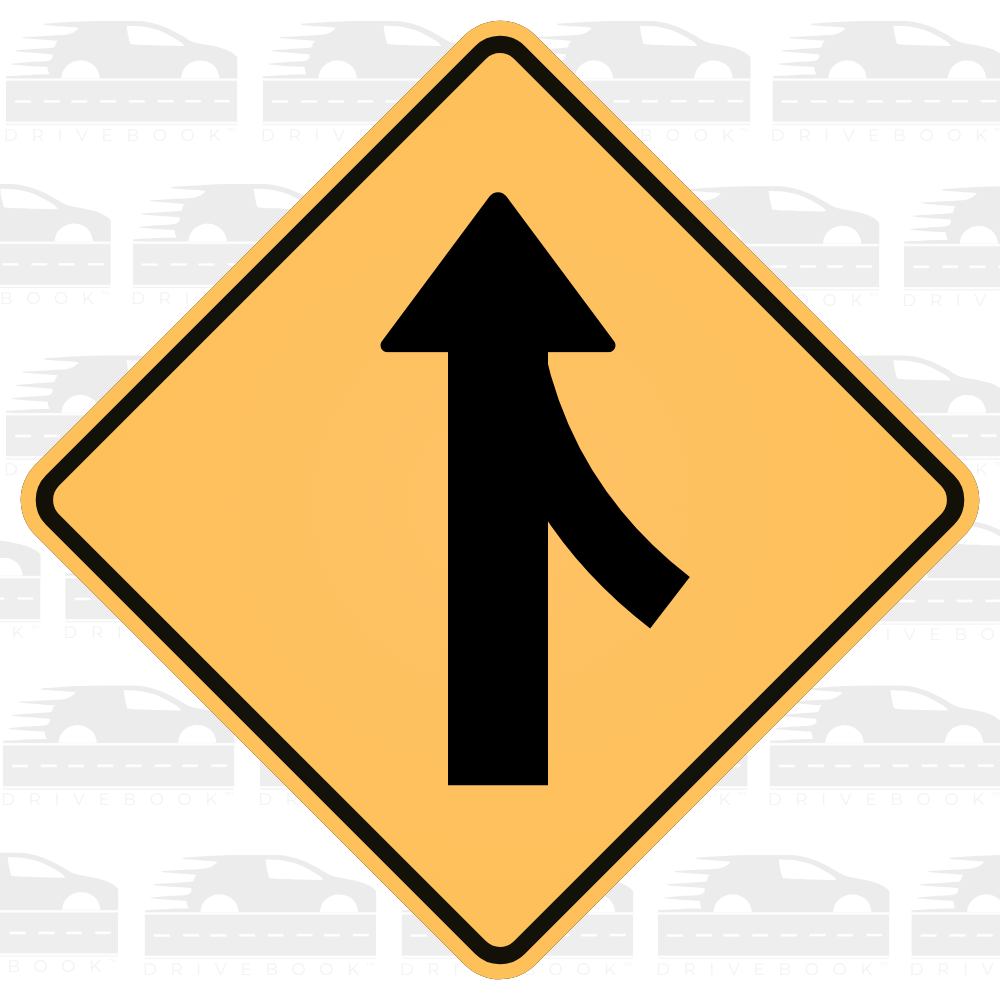
    A MERGE sign is a heads-up that two streams of traffic are about to become one. You’ll see it when a lane ends, when an on-ramp joins a highway, or when road work shifts traffic.

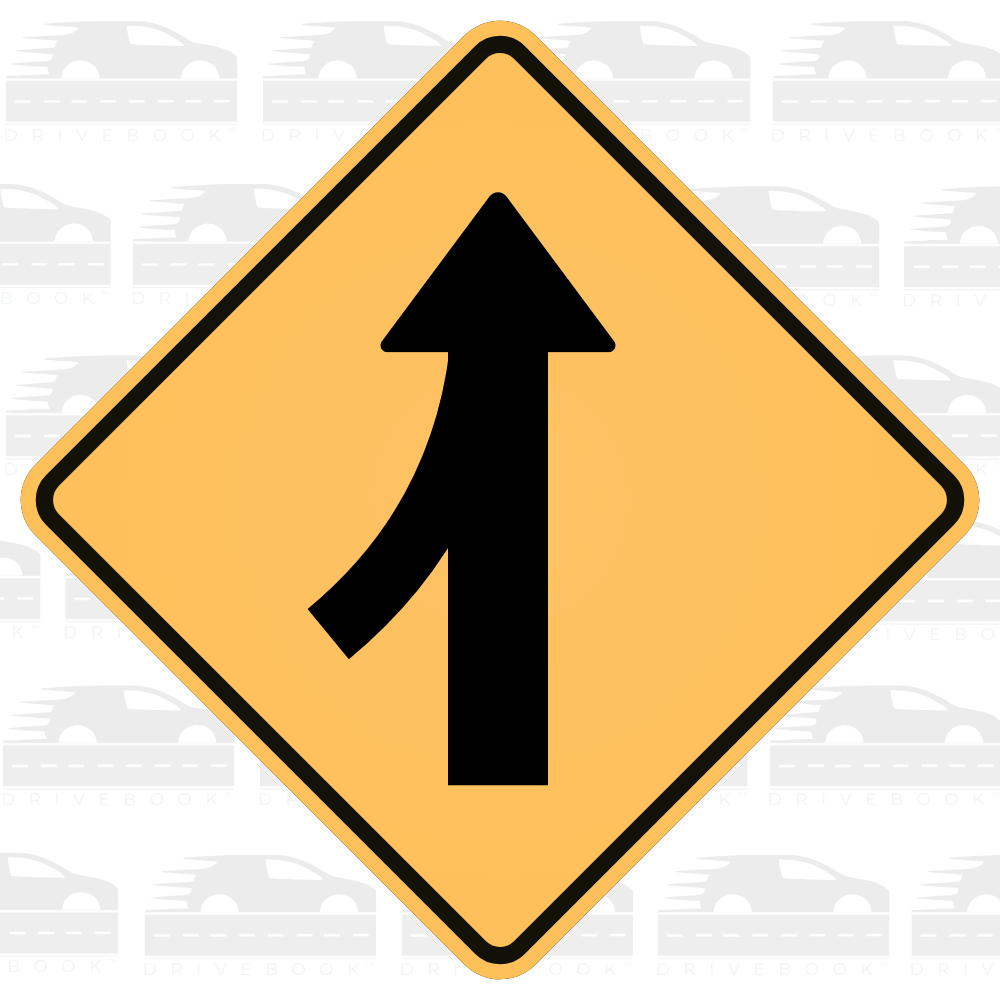
    Some merge signs show the other lane joining from the left. Others show it joining from the right. The direction matters, but the goal is the same: merge smoothly, predictably, and with enough space.

    For official sign standards and examples, the national reference is the MUTCD:

    What the Merge sign means (plain language)

    A Merge sign means:

    • A lane will join your lane soon (from the left or from the right).
    • Traffic patterns will change, so you should be ready to adjust.
    • Drivers should cooperate so everyone can move through safely.

    It does not mean “speed up and force your way in.” It also doesn’t mean “slam on the brakes.” Most merges work best when drivers stay calm and predictable.

    How to tell which direction the merge is coming from

    Look at the symbol:

    • If the side line curves into the main line from the left, traffic is merging from the left.
    • If the side line curves into the main line from the right, traffic is merging from the right.

    That tells you where to focus your attention.

    What you should do when you see a Merge sign

    Here’s a simple, repeatable process:

    1. Check your mirrors early Know who’s behind you and who’s next to you.
    2. Ease off the gas if needed (don’t rush) Small speed adjustments are usually enough.
    3. Create space If you’re in the lane that will continue, leaving a safe gap helps the merging driver enter smoothly.
    4. Signal if you’re changing lanes If you decide to move over to avoid a conflict, signal early and move only when it’s safe.
    5. Stay predictable Sudden braking or sudden acceleration makes merging harder for everyone.

    Who yields during a merge?

    This can vary by situation and state rules, but a good general guideline is:

    • If you are changing lanes, you yield to traffic already in the lane you’re moving into.
    • If you’re already in the lane that continues, you don’t need to “give up” your lane — but you can help by maintaining a steady speed and leaving a safe gap when possible.

    If you’re unsure, the safest approach is to avoid competing for the same space at the same time.

    Common misconceptions teens have about merging

    Misconception 1: “Merging means I have the right-of-way.”

    A merge sign is a warning, not a permission slip. You still need to merge when it’s safe.

    Misconception 2: “The best merge is the fastest merge.”

    The best merge is the smoothest merge. Smooth usually means fewer surprises.

    Misconception 3: “If someone is merging, I should stop to let them in.”

    Stopping in a moving lane can create a new hazard. It’s usually better to keep moving steadily and make room with a safe gap if you can.

    A quick coaching tip for parents

    Try this calm reminder:

    • “Mirrors early, small speed change, make space, stay predictable.”

    It keeps the focus on a process your teen can repeat.

    Closing

    Merging doesn’t have to feel like a competition. When drivers look early, communicate clearly, and make small adjustments, merges become one of the most manageable parts of driving.

    For more calm, visual explanations of signs and real-world driving situations, visit mydrivebook.com.
    Share this:
  • Lane Ends (Right Lane Ends): What It Means and What to Do

    Lane Ends (Right Lane Ends): What It Means and What to Do

    Share this:

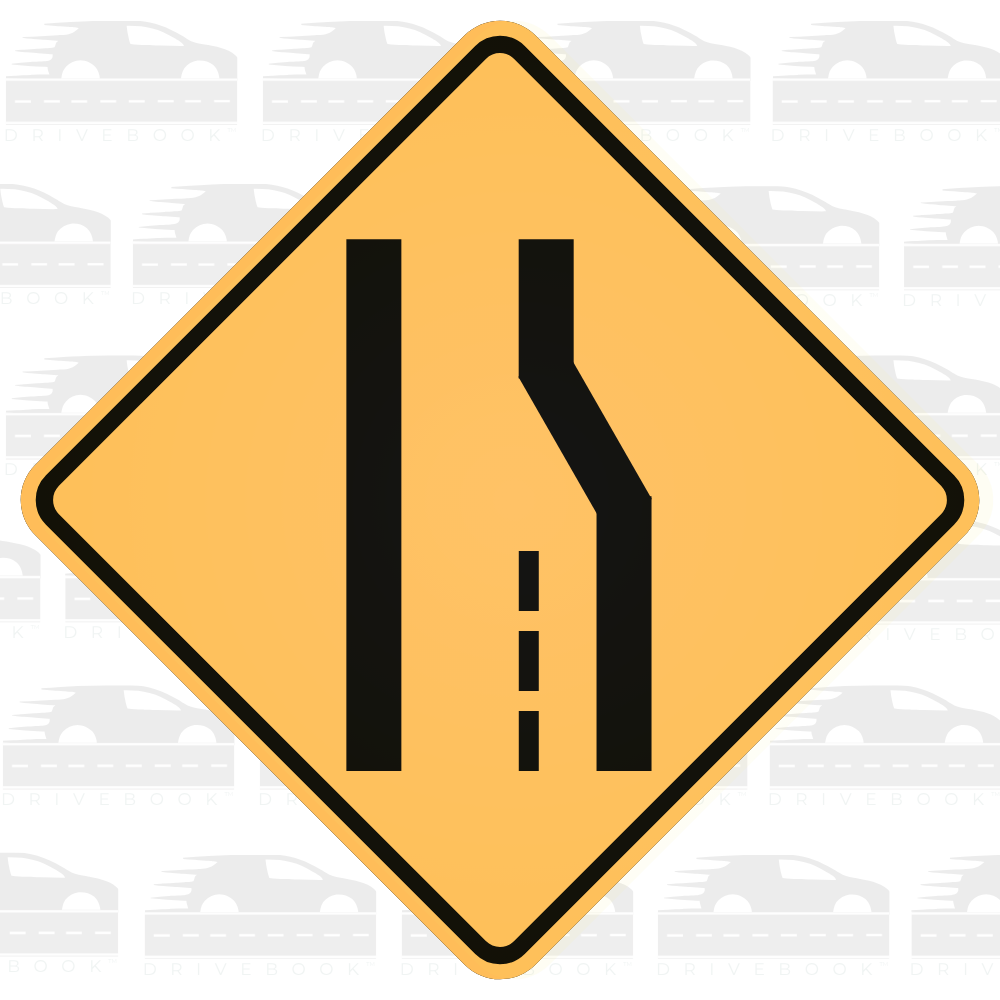
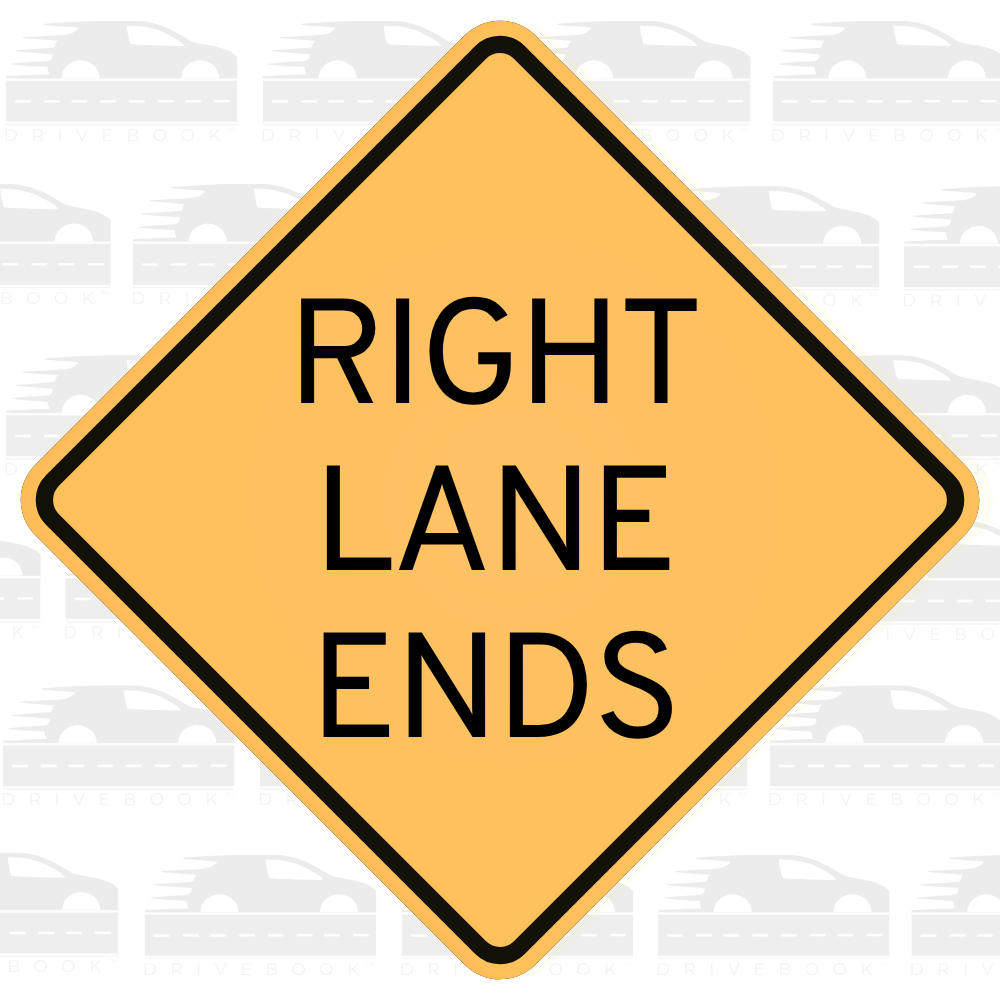
    A Lane Ends sign is a calm heads-up that the lane you’re in won’t continue. In your image, it’s specifically Right Lane Ends — meaning the right lane will end ahead, and traffic will need to move left.

    This sign isn’t telling you to panic or “fight for a spot.” It’s telling you to plan early, communicate clearly, and merge smoothly.

    For official sign standards and examples, the national reference is the MUTCD:

    What the sign means (plain language)

    Right Lane Ends means:

    • The right lane will disappear ahead.
    • Drivers in the right lane will need to merge into the left lane.
    • Drivers in the left lane should expect merging traffic and help create safe gaps.

    Where you’ll usually see it

    You’ll often see lane-ends signs near:

    • Construction zones
    • Bridges and tunnels
    • Highway on-ramps/off-ramps where lanes add and drop
    • Roads that narrow from two lanes to one

    What to do when you see it (step-by-step)

    1) Check your mirrors early

    As soon as you see the sign, do a quick scan:

    • Rearview mirror
    • Side mirror
    • A quick shoulder check when you’re ready to change lanes

    Early scanning gives you options. Late scanning makes everything feel rushed.

    2) Decide: merge early or use the full lane (both can be okay)

    Different states and situations handle this a little differently, and traffic flow matters.

    A calm, practical approach:

    • If traffic is light, it’s usually easiest to merge early.
    • If traffic is heavy and cars are moving slowly, many areas encourage using both lanes to the merge point and then taking turns (“zipper merge”).

    If you’re not sure what’s expected where you live, it’s okay to choose the safer-feeling option: signal early and merge when you have a clear gap.

    How to merge smoothly (the “zipper” idea)

    Whether you merge early or closer to the end, the goal is the same: one car from the ending lane, then one car from the continuing lane.

    If you’re in the lane that ends

    • Turn on your signal.
    • Match the speed of traffic (don’t stop unless traffic is stopped).
    • Look for a gap.
    • Merge smoothly.

    If you’re in the lane that continues

    • Keep a steady speed.
    • Leave a safe following distance.
    • If you can, create a gap for one car to merge.

    It’s not about “winning” a merge — it’s about keeping traffic predictable.

    Common misconceptions teens have

    Misconception 1: “I should stop and wait for someone to let me in.”

    Stopping in a moving lane can surprise drivers behind you. If traffic is moving, it’s usually safer to keep rolling, signal, and merge when you have a safe opening.

    Misconception 2: “The other lane has to let me in.”

    Merging is a shared job: the ending lane must merge safely, and the continuing lane should avoid blocking and help when possible.

    Misconception 3: “I need to speed up to squeeze in.”

    Speeding up quickly can create sudden braking and stress. A smoother merge usually comes from matching traffic speed and signaling early.

    A quick coaching tip for parents

    Try a simple script that keeps everyone calm:

    • “Lane ends ahead. Signal early. Find one safe gap. Smooth merge.”

    Short, repeatable, and focused on process.

    Closing

    Lane Ends signs are there to give you time — time to scan, signal, and merge without rushing. With early planning and predictable moves, merges become one of those skills that feels easier every week.

    For more calm, visual explanations of road signs and right-of-way rules, visit mydrivebook.com.

    Share this:
  • 4-Way Ahead: What It Means and How to Approach It

    4-Way Ahead: What It Means and How to Approach It

    Share this:

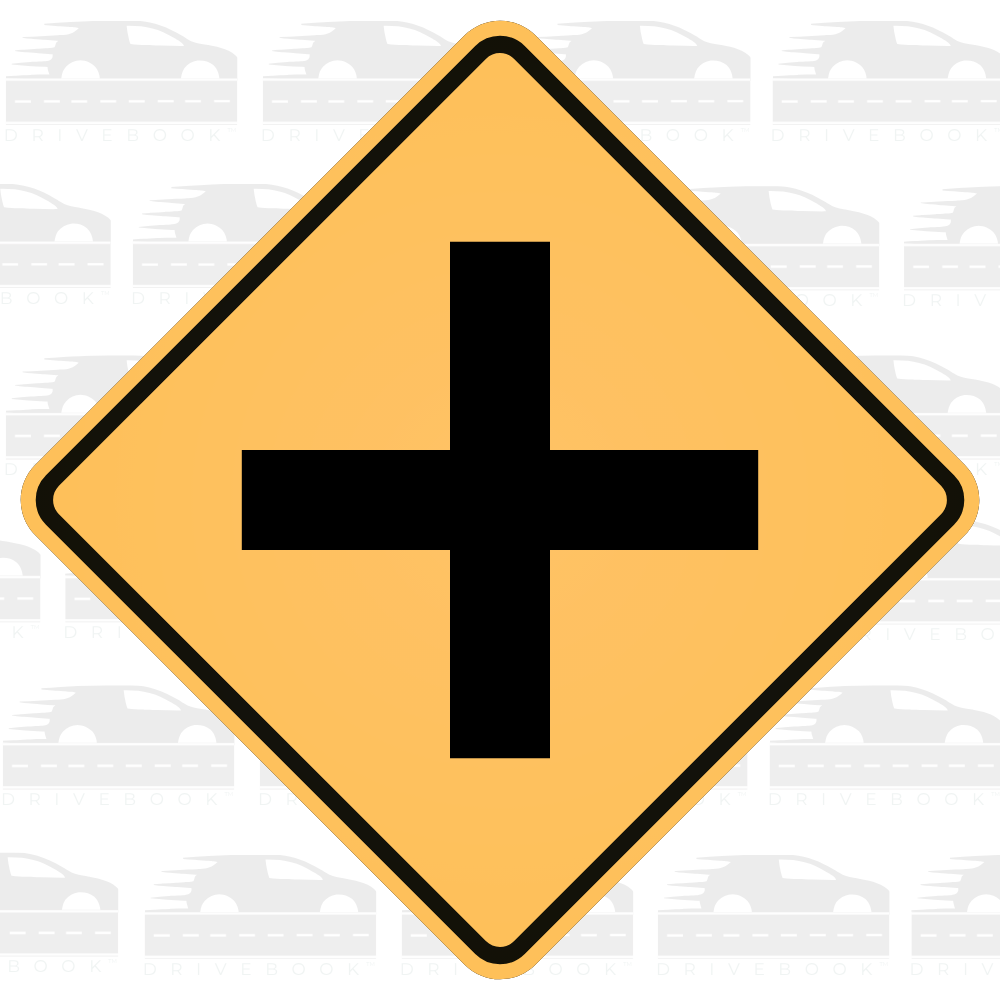
    A 4-Way Intersection warning sign tells you a crossing road is coming up. It’s basically a heads-up: traffic may be entering from the left and right, and you’ll need to be ready to slow down, scan, and follow any right-of-way controls you see next (like a stop sign, yield sign, or traffic signal).

    This sign doesn’t tell you who goes first by itself — it tells you to prepare.

    For official sign standards and examples, the national reference is the MUTCD:

    What the sign means (plain language)

    4-Way Intersection ahead means:

    • A road crosses your road.
    • You may have vehicles approaching from both sides.
    • You may need to stop or yield depending on the next sign or signal.

    Think of it as: “Intersection coming — get your eyes and speed ready.”

    Where you’ll usually see it

    You’ll often see this sign on roads where the intersection might not be obvious until you’re close, such as:

    • Rural roads
    • Roads with trees, buildings, or hills that limit visibility
    • Higher-speed roads where drivers need extra warning time

    What to do when you see it (step-by-step)

    1) Ease off the accelerator and cover the brake

    You don’t have to brake hard — just start reducing speed early. “Cover the brake” means placing your foot over the brake so you can respond quickly if needed.

    2) Scan in this order: ahead, left, right, ahead again

    A calm scan helps you catch:

    • A stop sign or traffic light
    • Turning vehicles
    • Cars approaching quickly from side streets
    • Pedestrians or cyclists near the corner

    3) Look for the control that actually sets right-of-way

    The 4-way intersection sign is a warning. The next control is what tells you what to do:

    • Stop sign: you must stop.
    • Yield sign: slow and yield if needed.
    • Traffic signal: follow the light.
    • No sign: follow your state’s right-of-way rules for uncontrolled intersections.

    If you’re teaching a teen, this is a great moment to practice the habit: “What’s controlling this intersection?”

    4) Make your intention obvious

    • Signal early if you’re turning.
    • Stay centered in your lane.
    • Avoid last-second lane changes.

    Predictable driving is what makes intersections feel calmer.

    Common misconceptions teens have

    Misconception 1: “This sign means I have to stop.”

    Not necessarily. It means an intersection is coming — you stop only if a stop sign, red light, or other control requires it.

    Misconception 2: “If I’m on the bigger road, I automatically go first.”

    Sometimes you do, sometimes you don’t. Right-of-way depends on signs, signals, and your state’s rules — not just which road feels “main.”

    Misconception 3: “If I don’t see a car, I can keep my speed.”

    Visibility can change fast at intersections. Slowing a little and scanning gives you more time to make a calm decision.

    A quick coaching tip for parents

    Try a simple prompt that builds the right habit:

    • “Intersection ahead — what’s the control? What’s your plan?”

    It keeps the focus on thinking, not pressure.

    Closing

    A 4-Way Intersection sign is an early reminder to slow down and scan — not a reason to stress. With a steady approach and a clear look for the next sign or signal, intersections become much more predictable.

    For more calm, visual explanations of road signs and right-of-way rules, visit mydrivebook.com.

    Share this:
  • Stop Sign: What It Means (and What a “Full Stop” Really Is)

    Stop Sign: What It Means (and What a “Full Stop” Really Is)

    Share this:

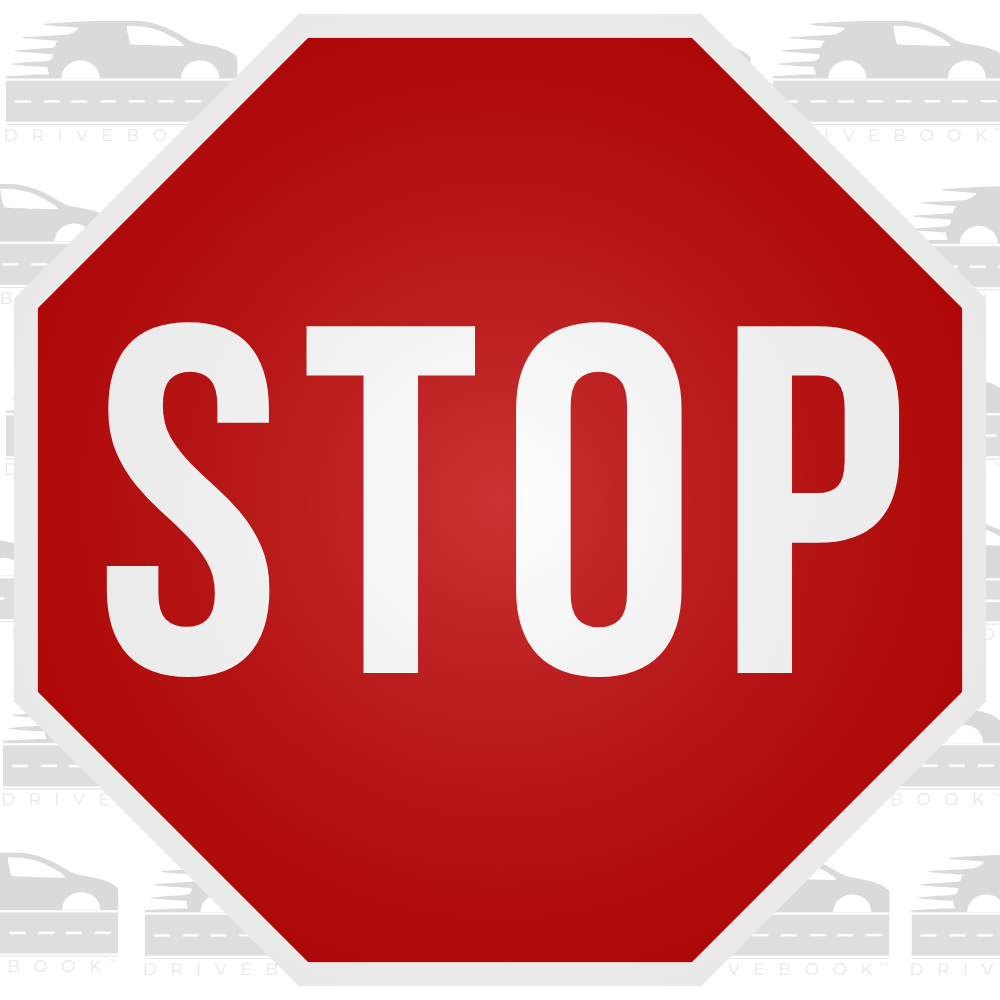
    A STOP sign is one of the clearest instructions on the road: you must come to a complete stop and follow right-of-way rules before you go.

    It’s also one of the most common places new drivers lose points on a road test — not because they’re careless, but because “stop” has a few details people don’t always explain (where to stop, how long to pause, and what to do when you can’t see).

    For official sign standards and examples, the national reference is the MUTCD:

    What a Stop sign means (plain language)

    A Stop sign means:

    • Stop completely (wheels stop moving).
    • Yield the right-of-way to pedestrians and other traffic.
    • Go only when it’s your turn and it’s safe.

    It doesn’t mean “slow down a lot.” It doesn’t mean “stop if someone’s coming.” It means stop every time.

    What a “full stop” actually looks like

    A full stop is simple, but it should be obvious:

    • Your car’s wheels stop turning.
    • You pause long enough to look left, right, left (and check for pedestrians).
    • Then you move when it’s safe.

    A “rolling stop” (where the car keeps creeping) is still a not-a-stop.

    Where you’re supposed to stop

    This is the part that trips people up.

    You should stop before:

    • The stop line (thick white line), if there is one
    • The crosswalk, if there’s no stop line
    • The edge of the intersection (the place where you’d enter the cross traffic), if there’s no line or crosswalk

    If you stop too far forward, you may block the crosswalk or pull into traffic.

    What to do if you can’t see from the stop line

    Sometimes you stop correctly — and still can’t see around a parked car, bushes, a building, or a hill.

    A calm, safe method is a two-step stop:

    1. Stop fully at the correct place (line/crosswalk/edge).
    2. If you still can’t see, creep forward slowly to a better view, then stop again before entering.

    This shows you understand both the rule and the reason behind it.

    Who goes first? (a simple way to remember)

    Right-of-way rules vary a bit by state, but these basics are widely taught:

    • Pedestrians first (always).
    • At a 4-way stop, the first vehicle to stop is usually the first to go.
    • If two vehicles stop at the same time, the vehicle on the right usually goes first.
    • If you’re turning left and another car is going straight, the car going straight usually goes first.

    If it feels confusing, the best habit is: slow, make eye contact when possible, and don’t rush.

    Common misconceptions teens have

    Misconception 1: “If no one’s there, I don’t have to stop.”

    You still have to stop. The point is consistency — so everyone can predict what you’ll do.

    Misconception 2: “Stopping means putting my foot on the brake.”

    A stop means the car is not moving. If you’re still creeping, you’re still moving.

    Misconception 3: “I should stop in the crosswalk so I can see.”

    Crosswalks are for people walking. Stop before the crosswalk, then creep forward only if you need a better view.

    A quick coaching tip for parents

    Try a simple script that builds a repeatable habit:

    • “Full stop. Look left-right-left. Then go when it’s your turn.”

    It keeps the focus on process — not pressure.

    Closing

    A Stop sign is a pause point — a moment to reset, scan, and make a calm decision. When you treat every stop the same way, it becomes one of the most dependable habits you can build as a new driver.

    For more calm, visual explanations of road signs and right-of-way rules, visit mydrivebook.com.

    Share this: