A merge sign isn’t where The Beatles “Come Together”…
but it is your “…early warning,” that you will.
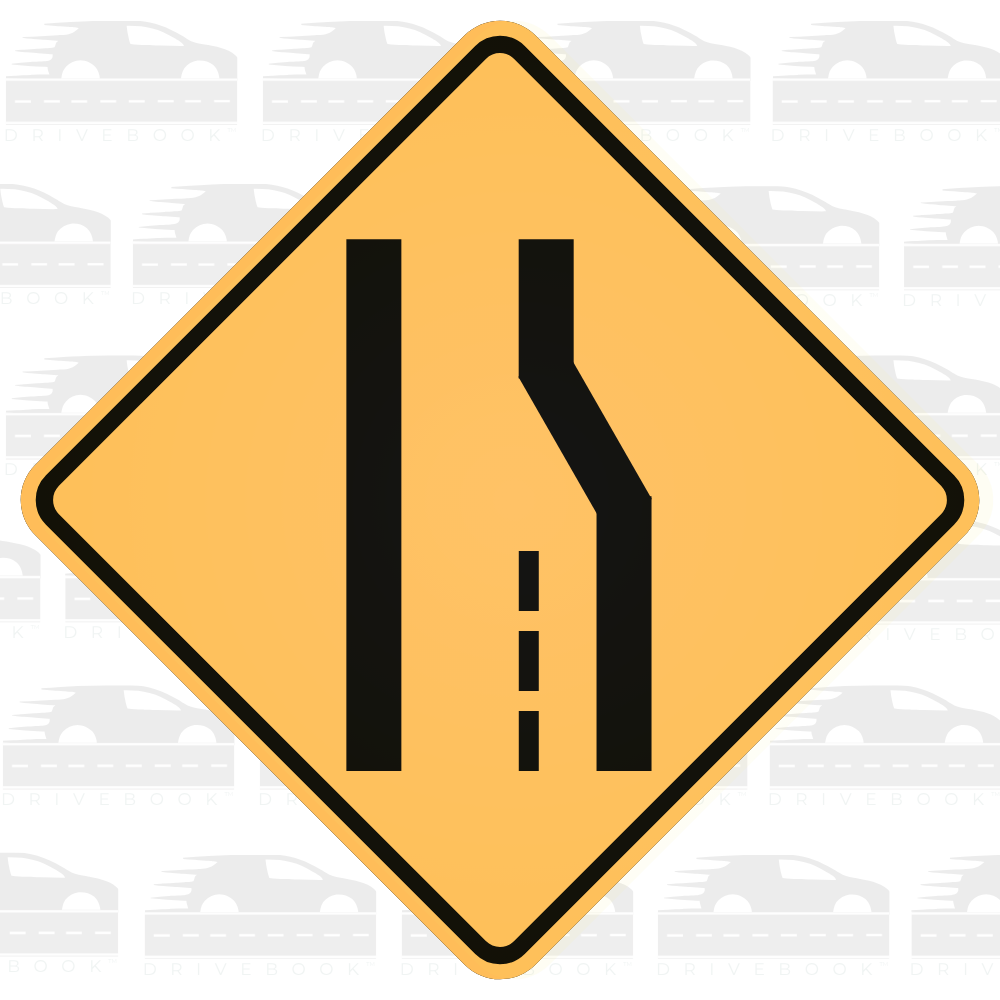
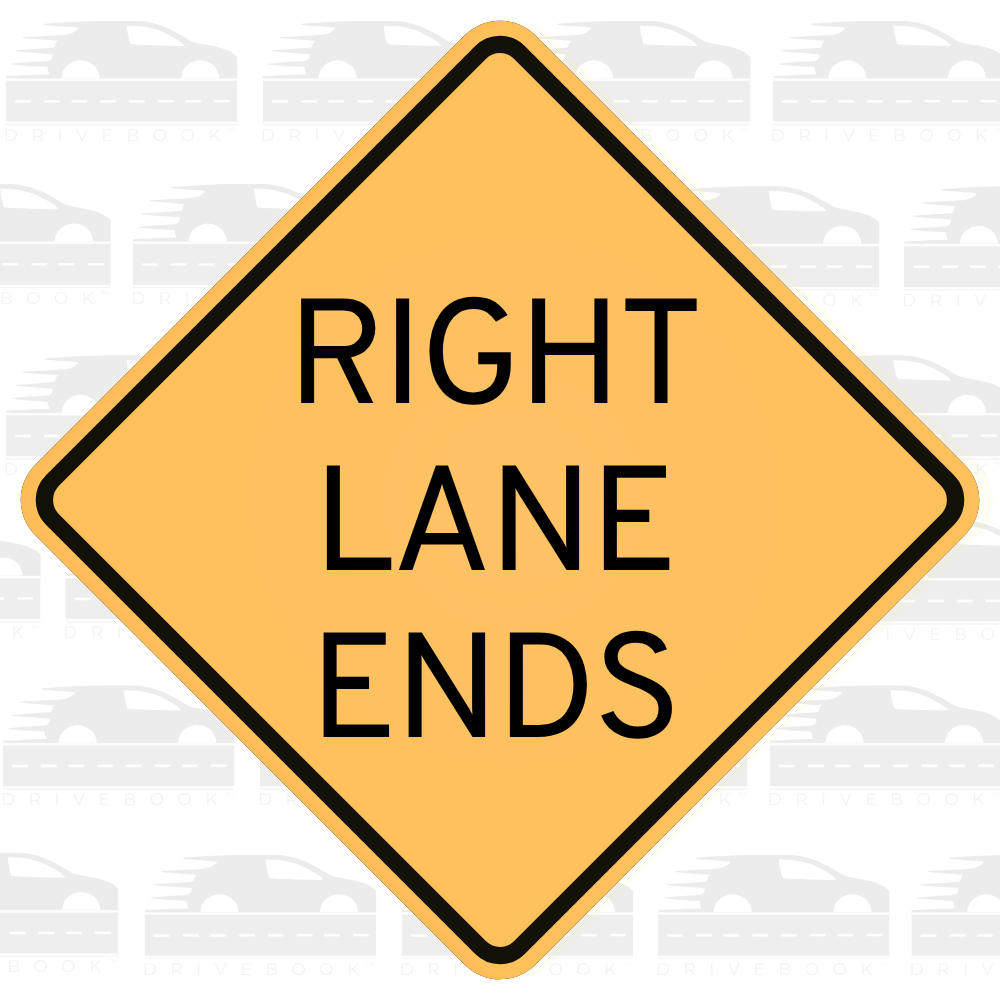
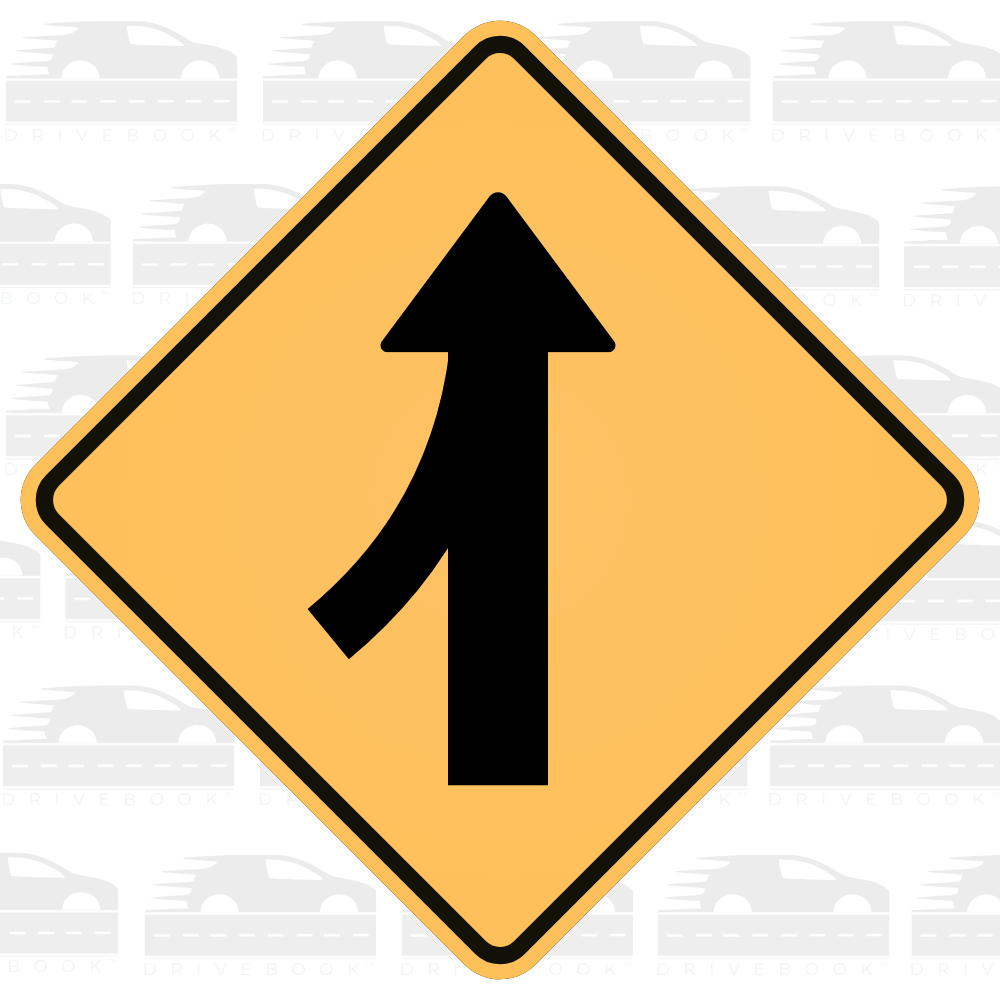
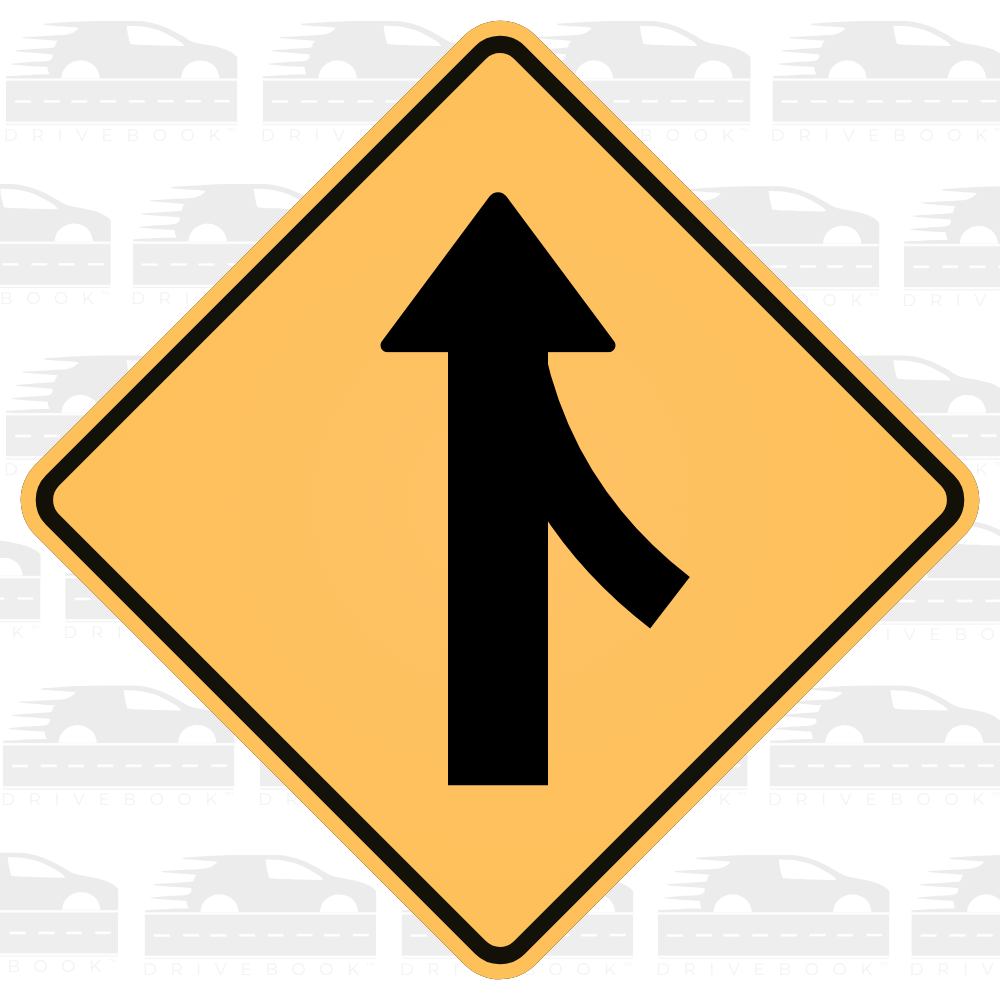
A MERGE sign is a heads-up that two streams of traffic are about to become one. You’ll see it when a lane ends, when an on-ramp joins a highway, or when road work shifts traffic.
Some merge signs show the other lane joining from the left. Others show it joining from the right. The direction matters, but the goal is the same: merge smoothly, predictably, and with enough space.
For official sign standards and examples, the national reference is the MUTCD:
What the Merge sign means (plain language)
A Merge sign means:
- A lane will join your lane soon (from the left or from the right).
- Traffic patterns will change, so you should be ready to adjust.
- Drivers should cooperate so everyone can move through safely.
It does not mean “speed up and force your way in.” It also doesn’t mean “slam on the brakes.” Most merges work best when drivers stay calm and predictable.
How to tell which direction the merge is coming from
Look at the symbol:
- If the side line curves into the main line from the left, traffic is merging from the left.
- If the side line curves into the main line from the right, traffic is merging from the right.
That tells you where to focus your attention.
What you should do when you see a Merge sign
Here’s a simple, repeatable process:
- Check your mirrors early Know who’s behind you and who’s next to you.
- Ease off the gas if needed (don’t rush) Small speed adjustments are usually enough.
- Create space If you’re in the lane that will continue, leaving a safe gap helps the merging driver enter smoothly.
- Signal if you’re changing lanes If you decide to move over to avoid a conflict, signal early and move only when it’s safe.
- Stay predictable Sudden braking or sudden acceleration makes merging harder for everyone.
Who yields during a merge?
This can vary by situation and state rules, but a good general guideline is:
- If you are changing lanes, you yield to traffic already in the lane you’re moving into.
- If you’re already in the lane that continues, you don’t need to “give up” your lane — but you can help by maintaining a steady speed and leaving a safe gap when possible.
If you’re unsure, the safest approach is to avoid competing for the same space at the same time.
Common misconceptions teens have about merging
Misconception 1: “Merging means I have the right-of-way.”
A merge sign is a warning, not a permission slip. You still need to merge when it’s safe.
Misconception 2: “The best merge is the fastest merge.”
The best merge is the smoothest merge. Smooth usually means fewer surprises.
Misconception 3: “If someone is merging, I should stop to let them in.”
Stopping in a moving lane can create a new hazard. It’s usually better to keep moving steadily and make room with a safe gap if you can.
A quick coaching tip for parents
Try this calm reminder:
- “Mirrors early, small speed change, make space, stay predictable.”
It keeps the focus on a process your teen can repeat.
Closing
Merging doesn’t have to feel like a competition. When drivers look early, communicate clearly, and make small adjustments, merges become one of the most manageable parts of driving.
For more calm, visual explanations of signs and real-world driving situations, visit mydrivebook.com.