Tag: teen drivers

  • Stop Sign: What It Means (and What a “Full Stop” Really Is)

    Stop Sign: What It Means (and What a “Full Stop” Really Is)

    Share this:

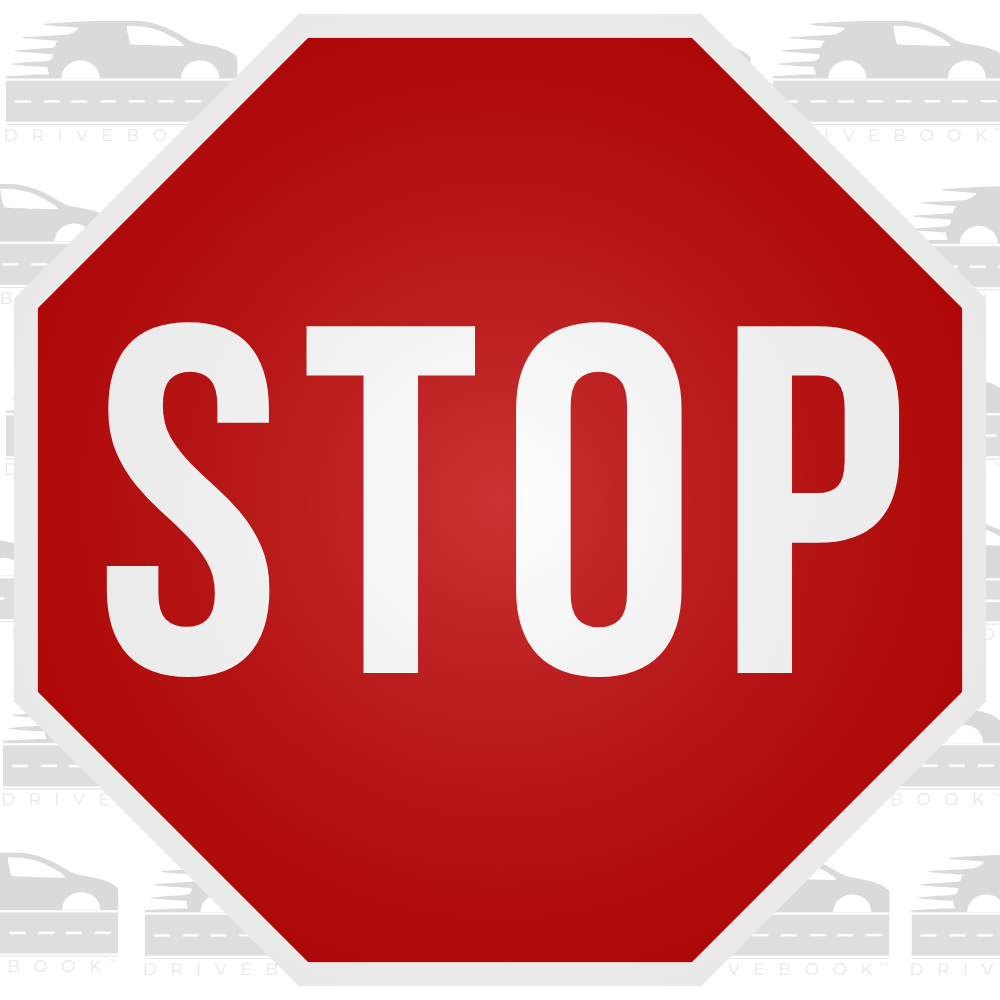
    A STOP sign is one of the clearest instructions on the road: you must come to a complete stop and follow right-of-way rules before you go.

    It’s also one of the most common places new drivers lose points on a road test — not because they’re careless, but because “stop” has a few details people don’t always explain (where to stop, how long to pause, and what to do when you can’t see).

    For official sign standards and examples, the national reference is the MUTCD:

    What a Stop sign means (plain language)

    A Stop sign means:

    • Stop completely (wheels stop moving).
    • Yield the right-of-way to pedestrians and other traffic.
    • Go only when it’s your turn and it’s safe.

    It doesn’t mean “slow down a lot.” It doesn’t mean “stop if someone’s coming.” It means stop every time.

    What a “full stop” actually looks like

    A full stop is simple, but it should be obvious:

    • Your car’s wheels stop turning.
    • You pause long enough to look left, right, left (and check for pedestrians).
    • Then you move when it’s safe.

    A “rolling stop” (where the car keeps creeping) is still a not-a-stop.

    Where you’re supposed to stop

    This is the part that trips people up.

    You should stop before:

    • The stop line (thick white line), if there is one
    • The crosswalk, if there’s no stop line
    • The edge of the intersection (the place where you’d enter the cross traffic), if there’s no line or crosswalk

    If you stop too far forward, you may block the crosswalk or pull into traffic.

    What to do if you can’t see from the stop line

    Sometimes you stop correctly — and still can’t see around a parked car, bushes, a building, or a hill.

    A calm, safe method is a two-step stop:

    1. Stop fully at the correct place (line/crosswalk/edge).
    2. If you still can’t see, creep forward slowly to a better view, then stop again before entering.

    This shows you understand both the rule and the reason behind it.

    Who goes first? (a simple way to remember)

    Right-of-way rules vary a bit by state, but these basics are widely taught:

    • Pedestrians first (always).
    • At a 4-way stop, the first vehicle to stop is usually the first to go.
    • If two vehicles stop at the same time, the vehicle on the right usually goes first.
    • If you’re turning left and another car is going straight, the car going straight usually goes first.

    If it feels confusing, the best habit is: slow, make eye contact when possible, and don’t rush.

    Common misconceptions teens have

    Misconception 1: “If no one’s there, I don’t have to stop.”

    You still have to stop. The point is consistency — so everyone can predict what you’ll do.

    Misconception 2: “Stopping means putting my foot on the brake.”

    A stop means the car is not moving. If you’re still creeping, you’re still moving.

    Misconception 3: “I should stop in the crosswalk so I can see.”

    Crosswalks are for people walking. Stop before the crosswalk, then creep forward only if you need a better view.

    A quick coaching tip for parents

    Try a simple script that builds a repeatable habit:

    • “Full stop. Look left-right-left. Then go when it’s your turn.”

    It keeps the focus on process — not pressure.

    Closing

    A Stop sign is a pause point — a moment to reset, scan, and make a calm decision. When you treat every stop the same way, it becomes one of the most dependable habits you can build as a new driver.

    For more calm, visual explanations of road signs and right-of-way rules, visit mydrivebook.com.
    Share this:
  • Sunday Sign Day: Deer Crossing

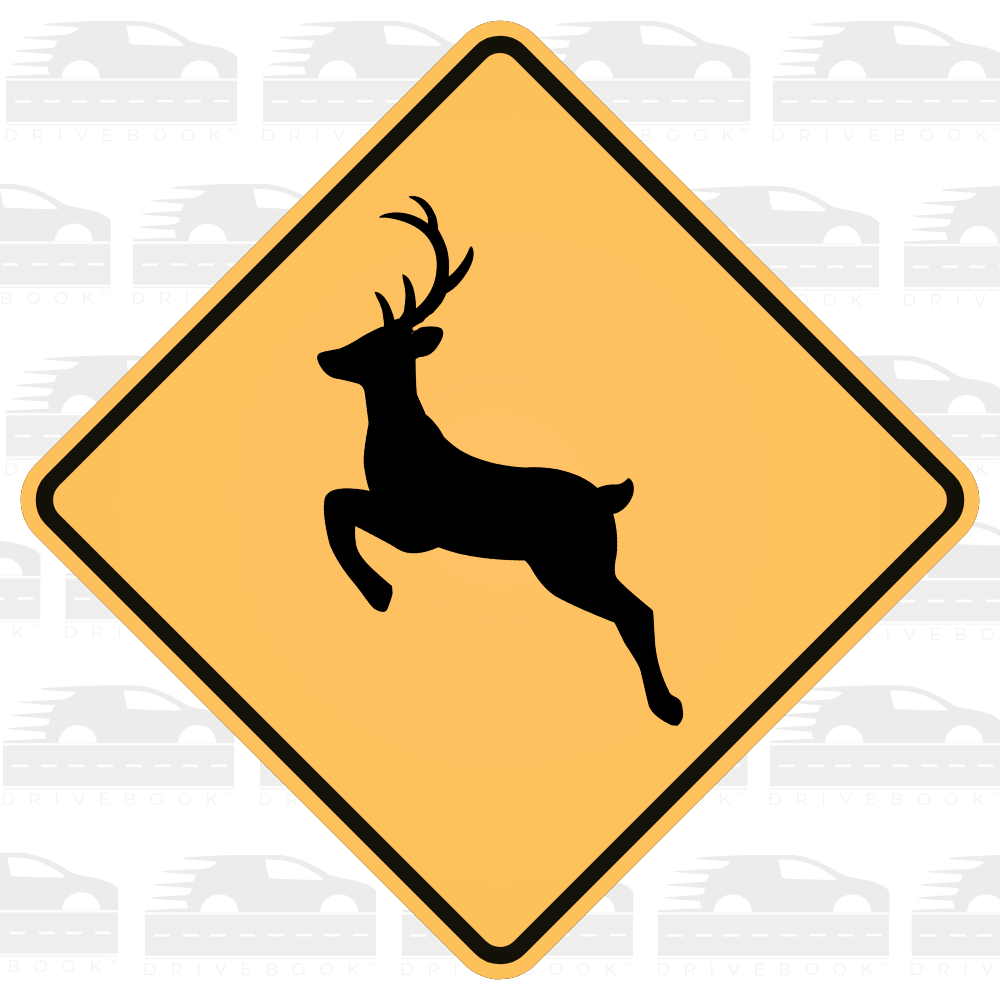
    Sunday Sign Day: Deer Crossing

    Share this:

    In many areas, spring is an especially important time to take Deer Crossing signs seriously. As temperatures warm up, deer movement increases — they’re more active at dawn and dusk, may travel more after winter, and roadside greenery can make them harder to spot until they’re close.

    You don’t need to drive in a tense way. The goal is simply to give yourself a little more time and space so you can respond smoothly.

    The Deer Crossing sign is a warning sign. In plain language, it means: wildlife may enter the roadway here, so it’s smart to slow down a bit and stay alert.

    This sign isn’t a guarantee you’ll see deer — it’s just a heads-up that this stretch of road has a higher chance of wildlife crossings.

    For sign standards and examples, the national reference is the MUTCD (FHWA). Many state driver manuals also explain what to do in wildlife areas (for example, the California DMV Handbook — Special Situations: Animals).


    What the Deer Crossing sign means (and what it doesn’t)

    It means:

    • Deer (and sometimes other animals) may cross unexpectedly
    • The area may be near woods, fields, water, or known wildlife paths
    • You should give yourself more time to react

    It doesn’t mean:

    • Deer will only cross at the sign
    • It’s safe to swerve if you see an animal
    • You should stop in the roadway to look for wildlife

    A calm goal is to keep your options open: more space, a little less speed, and steady attention.


    Why this sign exists

    Wildlife collisions are common enough that higher-risk areas are marked. Deer are most active around dawn and dusk, and they often travel in groups — if you see one, there may be another close behind.

    This sign helps reduce surprise. It reminds drivers to scan the road edges and avoid sudden moves if an animal appears.

    (For broader safety context, the Insurance Institute for Highway Safety has helpful information on animal-related crashes.)


    What to do when you see it

    Here’s a simple, teen-friendly plan:

    1) Ease your speed and increase following distance
    No need to brake hard — just ease off the gas and give yourself more space to respond smoothly.

    2) Scan the edges of the road
    Deer often appear from tree lines or tall grass. Try a steady scan:

    • Far ahead (especially where headlights reach at night)
    • Road edges and shoulders
    • Just beyond the shoulder

    3) Use high beams when appropriate (at night)
    On dark roads without oncoming traffic, high beams help you see farther. Dim them when needed.

    4) If you see a deer, brake firmly and stay in your lane
    This is the most important part:

    • Brake in a straight line
    • Stay in your lane
    • Avoid swerving — it often creates a bigger risk

    If there’s time, a quick horn tap can encourage the animal to move away.


    Common misconceptions teens have

    “The sign shows where deer cross.”
    Think of it as a zone — deer can cross anywhere nearby.

    “Once one deer passes, I’m in the clear.”
    Deer often travel in groups. Keep scanning.

    “Swerving is safer than braking.”
    It can feel faster, but it’s riskier. Straight-line braking keeps you in control and predictable.


    A quick coaching tip (for parents and teen drivers)

    Try a calm callout routine:

    Parent/coach: “Deer Crossing sign — let’s add space and scan the shoulders.”
    Teen: “Easing off the gas and checking left/right edges.”

    It’s simple, but it builds a repeatable habit.


    Closing

    The Deer Crossing sign is a reminder to drive with a little extra margin — more space, steady scanning, and smooth braking if something appears.

    If you’d like a calm, visual way to learn road signs and rules (with explanations you can talk through as a family), visit mydrivebook.com.

    Share this:
  • Sunday Sign Day: Falling Rocks (What It Means and How to Drive It Calmly)

    Sunday Sign Day: Falling Rocks (What It Means and How to Drive It Calmly)

    Share this:

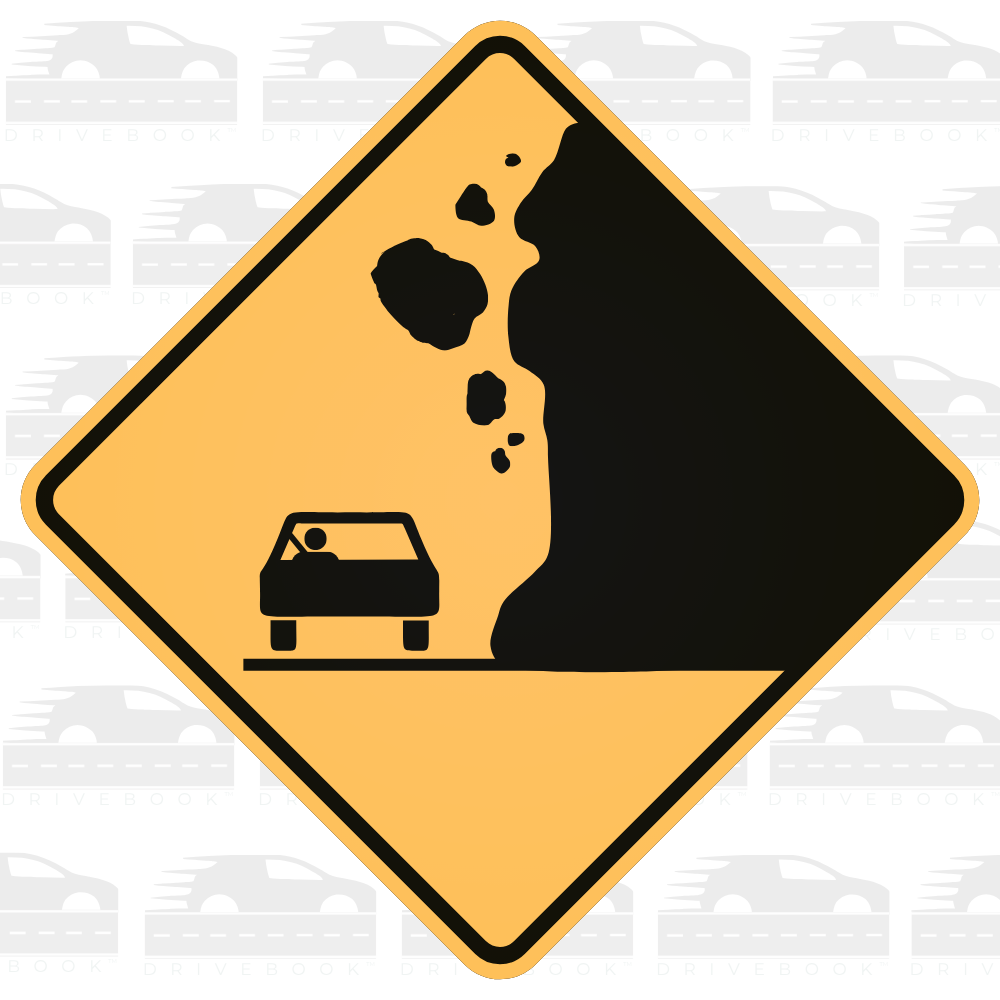
    The Falling Rocks sign is a warning sign you’ll usually see on roads that run alongside steep hillsides, cliffs, or mountain cuts. It’s there because rocks can end up in the roadway—sometimes after rain, melting snow, freeze-thaw cycles, or wind.

    This sign isn’t meant to scare you. It’s meant to help you adjust early so you have more time to respond if something is in your lane.

    What the Falling Rocks sign means

    The sign means: rocks may fall onto the road ahead (or may already be on the road). It’s a heads-up that the area has a known history of rockfall or debris.

    In the MUTCD (the official U.S. standard for traffic signs), this is a warning sign used where rockfall is possible: FHWA MUTCD (Warning Signs).

    Why this hazard is common in spring

    Rockfall can happen any time, but it’s often more likely when conditions loosen the ground, including:

    • Melting snow that saturates soil and cracks
    • Heavy rain that increases runoff and erosion
    • Freeze-thaw cycles that expand cracks in rock and pavement edges
    • Wind that knocks loose already-fractured material

    In other words: spring weather can change the roadside faster than you’d expect—especially on roads carved into hillsides.

    For a general overview of how weather and slope conditions can affect roadway safety, FHWA safety resources are a credible place to learn more: FHWA Highway Safety.

    What to do when you see it (simple, practical steps)

    When you see a Falling Rocks sign, you don’t need to do anything sudden. Think smooth and prepared:

    1. Scan farther ahead than usual
      Look down the road surface, not just at the car in front of you. You’re checking for small rocks, gravel, or larger debris.
    2. Keep a steady speed (and be ready to slow gently)
      If visibility is limited (curves, shadows, rain), it’s reasonable to ease off the accelerator a bit so you have more time to respond.
    3. Increase following distance
      Extra space helps if the driver ahead brakes for debris.
    4. Stay centered in your lane
      Avoid drifting toward the shoulder where rocks often collect first.
    5. Avoid stopping in the hazard zone if you can
      If traffic allows, it’s usually better to keep moving through the area rather than stopping near a slope. (If you must stop due to traffic, that’s okay—just stay alert and keep your focus ahead.)

    If you see rocks in the road

    If debris is in your lane:

    • Brake smoothly and early (no last-second slamming if you can avoid it)
    • Check mirrors before changing lanes
    • Steer around only if it’s clearly safe
    • If the debris is large or blocking the lane, consider pulling over safely after you’re past the hazard area and reporting it (many states use 911 for immediate roadway hazards; some have a non-emergency highway number)

    A calm rule of thumb for new drivers: don’t trade one risk for another. A sudden swerve into another lane can be more dangerous than slowing down and stopping safely.

    Common misconceptions teens have about this sign

    • “It’s just for mountain roads.”
      You can see Falling Rocks signs anywhere there’s a steep cut, cliff, or unstable slope—sometimes even on smaller highways.
    • “If I don’t see rocks, I can ignore it.”
      The sign is about possibility, not a guarantee. It’s a reminder to scan and stay ready.
    • “I should hug the center line to avoid the shoulder.”
      Better: stay centered in your lane. Crossing toward the center line creates new risks with oncoming traffic.

    Closing: the goal is calm awareness, not worry

    The Falling Rocks sign is a simple message: this stretch of road can change quickly. With a little extra scanning and space, you can drive it smoothly and confidently.

    If you want a calm, visual way to learn road signs and rules (and the “why” behind them), you can explore Drivebook at https://mydrivebook.com.

    Sources:
    FHWA MUTCD – Part 2C (Warning Signs and Object Markers) (covers warning sign standards; relevant section for the Falling Rocks warning sign)
    https://mutcd.fhwa.dot.gov/htm/2009/part2/part2c.htm

    FHWA – Highway Safety (general roadway safety guidance and context)
    https://highways.dot.gov/safety

    Share this:
  • Night Driving Basics for New Drivers (Without the Stress)

    Night Driving Basics for New Drivers (Without the Stress)

    Share this:

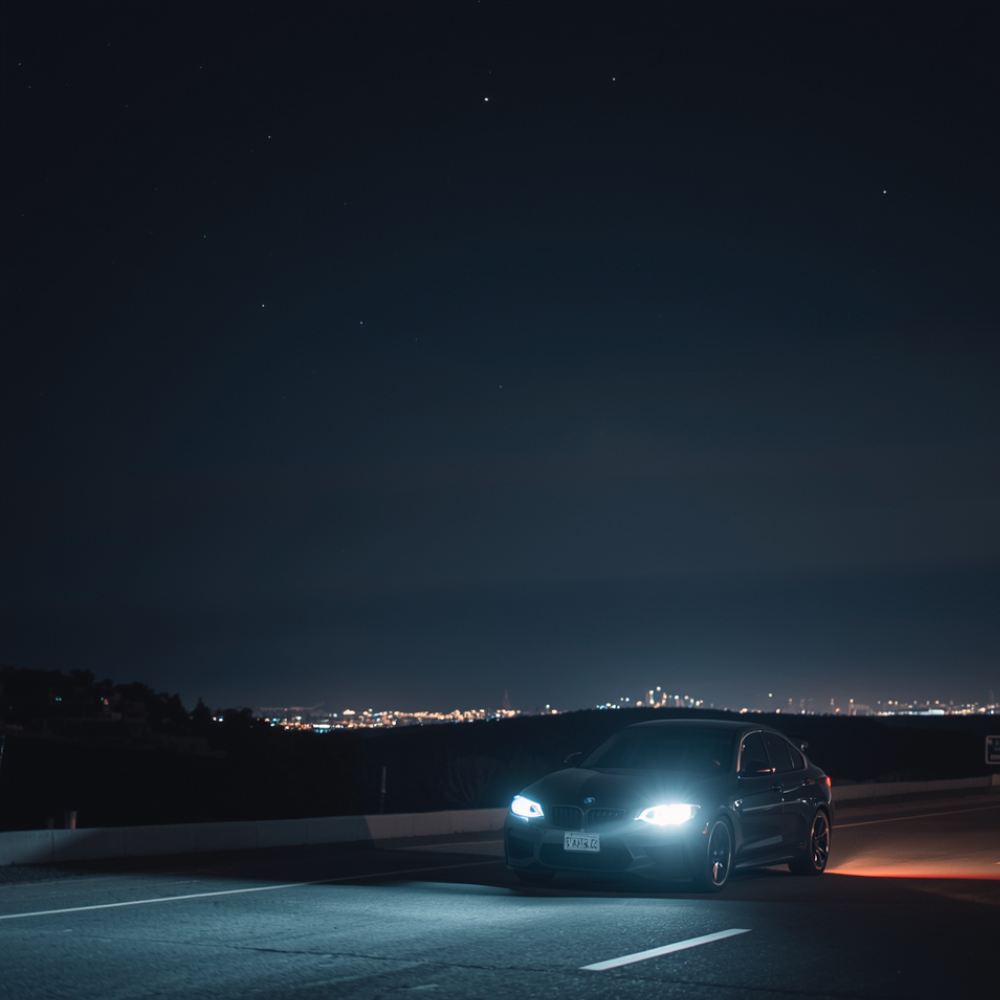
    Night driving can feel like a whole new skill set—darker roads, brighter headlights, and fewer visual cues. The good news is that a few simple habits can make night driving feel calmer and more predictable. This post is for early driving knowledge and permit test prep (not behind-the-wheel instruction), so you’ll understand what to look for and why it matters.

    These basics are helpful for permit test prep and understanding common night driving rules without memorizing them blindly.

    1) Use your headlights early—and use the right setting

    Headlights aren’t just for helping you see—they help other drivers see you. A good rule of thumb: if the sky is dim, it’s raining, or you’re having trouble seeing details clearly, turn your headlights on.

    • Low beams are the default for most night driving.
    • High beams can help on dark roads with no oncoming traffic, but they should be dimmed for oncoming cars and when you’re following someone closely.

    On many permit tests, you’ll see questions about when to use headlights and when to avoid high beams. The “why” is simple: high beams can reduce safety if they glare into someone else’s eyes.

    2) Look farther ahead than you think you need to

    At night, your “seeing distance” shrinks. That means you have less time to notice a curve, a stopped car, a pedestrian, or an animal near the roadway.

    Try to build the habit of scanning farther down the road instead of focusing only on what’s directly in front of your car. When you look ahead, you naturally give yourself more time to make smooth, calm decisions.

    3) Don’t stare at oncoming headlights—use your lane position as a guide

    Bright headlights can feel distracting, especially when you’re new. If you stare at them, your eyes may take longer to readjust to the darker road.

    Instead, keep your attention on:

    • The right edge line (or the road’s edge) as a reference
    • The center line and your lane position
    • The general shape of the road ahead

    This is a common permit-test concept: avoid glare by shifting your focus to a safer visual reference, not by “fighting” the brightness.

    4) Give yourself a little more following distance

    Even if your speed stays the same, night conditions can make it harder to judge distance and spot hazards early. Adding extra space between you and the car ahead gives you more time to react smoothly.

    Think of it as “building in calm.” More space means fewer sudden decisions—especially if the car ahead brakes unexpectedly or you encounter something you didn’t see right away.

    5) Keep your windshield and mirrors clean (it matters more than you’d expect)

    A slightly dirty windshield can turn headlights into a blurry glare. The same goes for side mirrors and the rearview mirror.

    Quick, practical habits:

    • Wipe the inside of the windshield too (it can film over)
    • Clean mirrors so lights don’t streak
    • Make sure your wipers aren’t smearing

    This isn’t about perfection—it’s about reducing visual “noise” so your brain can focus on the road.

    6) Watch for pedestrians and cyclists in places you might not expect

    At night, people can be harder to see—especially if they’re wearing dark clothing. Pay extra attention near:

    • Crosswalks and intersections
    • Bus stops
    • Parking lot entrances
    • Neighborhood streets

    For permit prep, it helps to remember that you’re responsible for scanning even when the road looks empty. Night driving often feels quiet, but that doesn’t mean there’s nothing happening.

    Closing thought

    Night driving doesn’t have to feel intimidating. When you use your lights correctly, scan farther ahead, and give yourself a little extra space, you’re creating a safer, calmer driving environment—one choice at a time. If you’re studying for a permit test, these habits also connect directly to the “why” behind many common rules.

    These are the kinds of patterns you’ll see repeated in permit questions—understanding them now makes the test feel a lot more predictable.

    Share this: