“To the left, to the left…”
Beyoncé had the right idea 😄
This is where your lane ends—and a smooth merge matters more than speed.
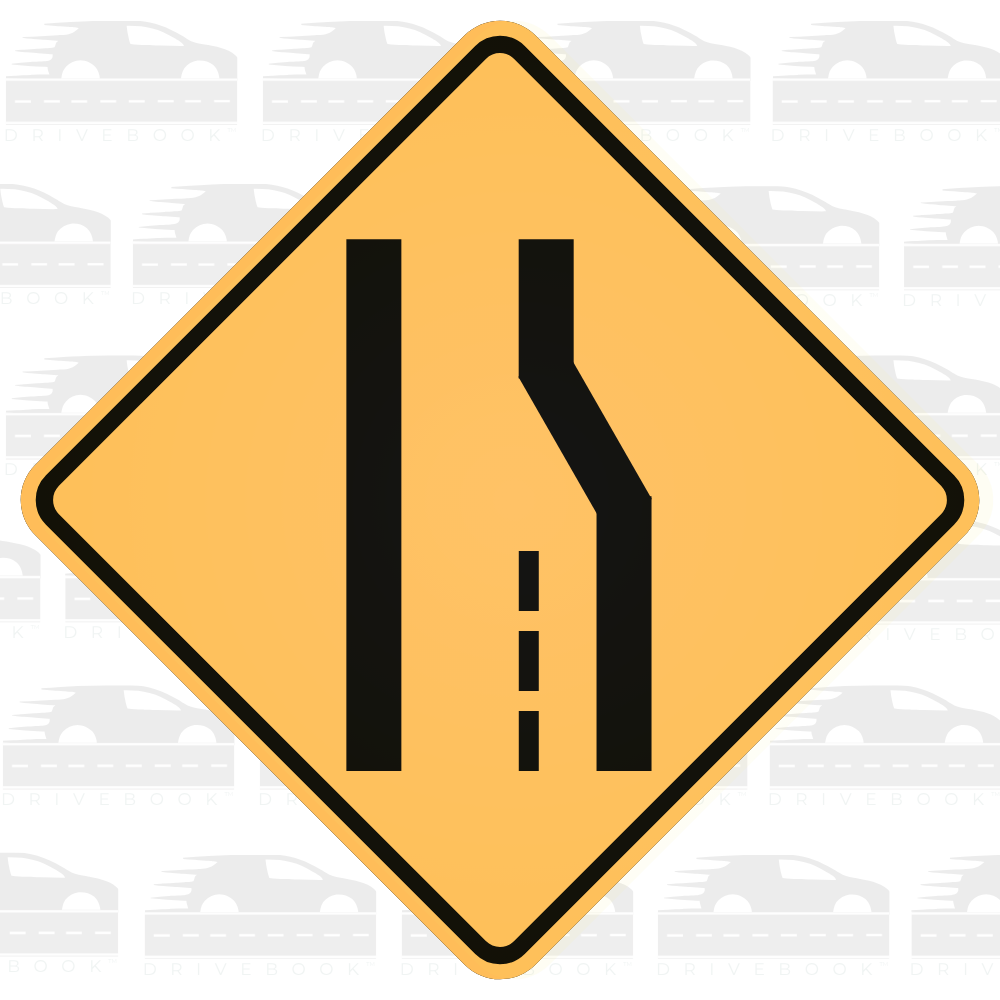
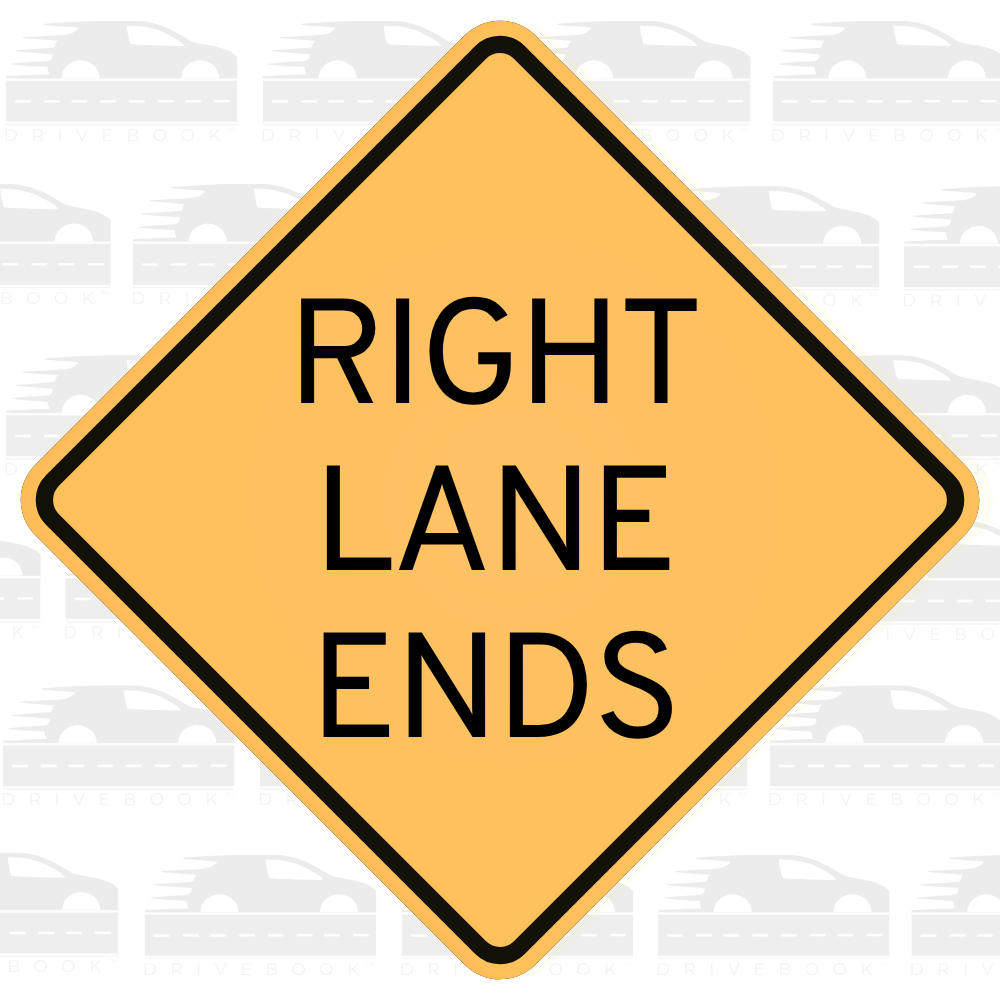
A Lane Ends sign is a calm heads-up that the lane you’re in won’t continue. In your image, it’s specifically Right Lane Ends — meaning the right lane will end ahead, and traffic will need to move left.
This sign isn’t telling you to panic or “fight for a spot.” It’s telling you to plan early, communicate clearly, and merge smoothly.
For official sign standards and examples, the national reference is the MUTCD:
What the sign means (plain language)
Right Lane Ends means:
- The right lane will disappear ahead.
- Drivers in the right lane will need to merge into the left lane.
- Drivers in the left lane should expect merging traffic and help create safe gaps.
Where you’ll usually see it
You’ll often see lane-ends signs near:
- Construction zones
- Bridges and tunnels
- Highway on-ramps/off-ramps where lanes add and drop
- Roads that narrow from two lanes to one
What to do when you see it (step-by-step)
1) Check your mirrors early
As soon as you see the sign, do a quick scan:
- Rearview mirror
- Side mirror
- A quick shoulder check when you’re ready to change lanes
Early scanning gives you options. Late scanning makes everything feel rushed.
2) Decide: merge early or use the full lane (both can be okay)
Different states and situations handle this a little differently, and traffic flow matters.
A calm, practical approach:
- If traffic is light, it’s usually easiest to merge early.
- If traffic is heavy and cars are moving slowly, many areas encourage using both lanes to the merge point and then taking turns (“zipper merge”).
If you’re not sure what’s expected where you live, it’s okay to choose the safer-feeling option: signal early and merge when you have a clear gap.
How to merge smoothly (the “zipper” idea)
Whether you merge early or closer to the end, the goal is the same: one car from the ending lane, then one car from the continuing lane.
If you’re in the lane that ends
- Turn on your signal.
- Match the speed of traffic (don’t stop unless traffic is stopped).
- Look for a gap.
- Merge smoothly.
If you’re in the lane that continues
- Keep a steady speed.
- Leave a safe following distance.
- If you can, create a gap for one car to merge.
It’s not about “winning” a merge — it’s about keeping traffic predictable.
Common misconceptions teens have
Misconception 1: “I should stop and wait for someone to let me in.”
Stopping in a moving lane can surprise drivers behind you. If traffic is moving, it’s usually safer to keep rolling, signal, and merge when you have a safe opening.
Misconception 2: “The other lane has to let me in.”
Merging is a shared job: the ending lane must merge safely, and the continuing lane should avoid blocking and help when possible.
Misconception 3: “I need to speed up to squeeze in.”
Speeding up quickly can create sudden braking and stress. A smoother merge usually comes from matching traffic speed and signaling early.
A quick coaching tip for parents
Try a simple script that keeps everyone calm:
- “Lane ends ahead. Signal early. Find one safe gap. Smooth merge.”
Short, repeatable, and focused on process.
Closing
Lane Ends signs are there to give you time — time to scan, signal, and merge without rushing. With early planning and predictable moves, merges become one of those skills that feels easier every week.
For more calm, visual explanations of road signs and right-of-way rules, visit mydrivebook.com.
Leave a Reply